
UME
Electrochemistry Laboratory
About Us
The main purpose of TÜBİTAK UME Electrochemistry Laboratory is to establish cooperation with relevant institutions and organizations, to provide support and to carry out the necessary studies in order to carry out industrial, legal and scientific activities in the field of electrochemistry at national and international level in an accurate and reliable manner.
Fields of Activity
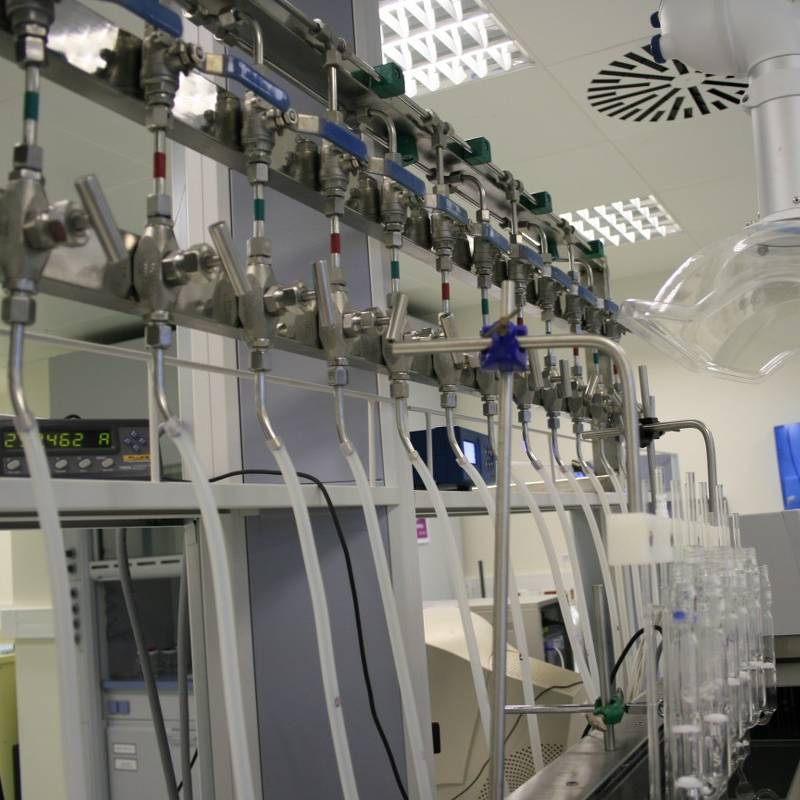
pH measurements, which are defined as the activity of hydronium ions and are of great importance in many fields such as industry, food, environment and health, and electrolytic conductivity measurements, which are defined as a measure of the ability to conduct electric current due to the ions in the solution used in the same fields, are carried out in our laboratory at primary / working level and research is carried out to develop primary level systems. In addition, primary level coulometric measurements, which enable the determination of the amount of substance based on the measurement of the amount of electricity generated/consumed, and working level potentiometric titrimetry measurements using potential change for the same purpose are carried out and research is carried out to increase the substances determined. In addition, development, production, characterization and analytical applications of electrochemical sensors for the detection and determination of chemical and/or biological components (virus/pathogen proteins, disease biomarkers, toxic gases, explosives, drugs, heavy metals, pesticides) in areas of strategic importance (health, defense, environment and food) are carried out. In addition, research is carried out on batteries and supercapacitors, which play a critical role in many sectors and stand out in the field of energy storage, which is among the strategic development plans. In this context, cathode and anode active material synthesis, material characterization, electrode preparation, battery construction and electrochemical performance tests are carried out.
Services Provided
- Primary and Working Level pH Measurements
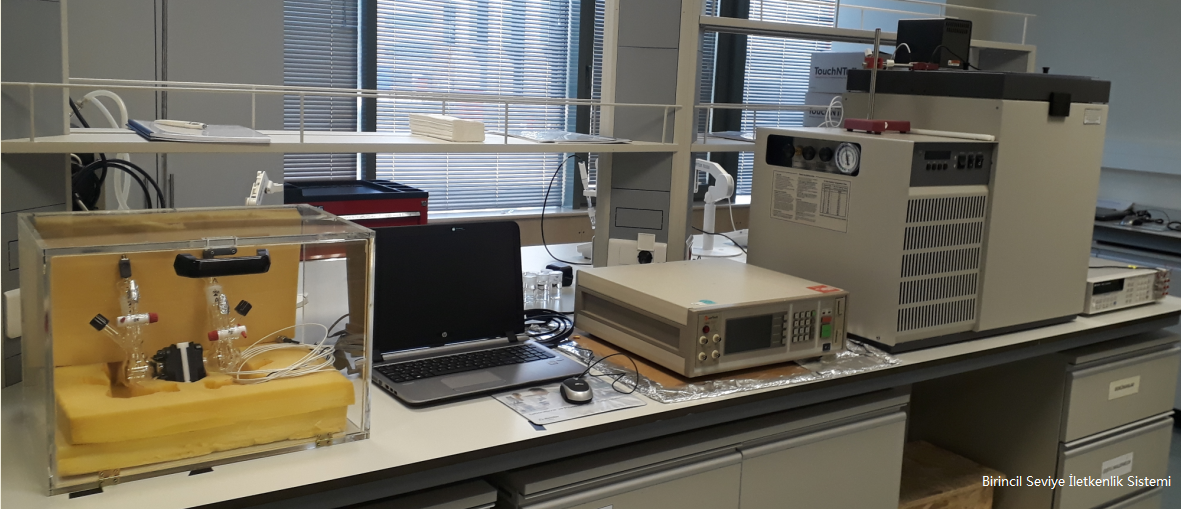
- Primary and Working Level Electrolytic Conductivity Measurements
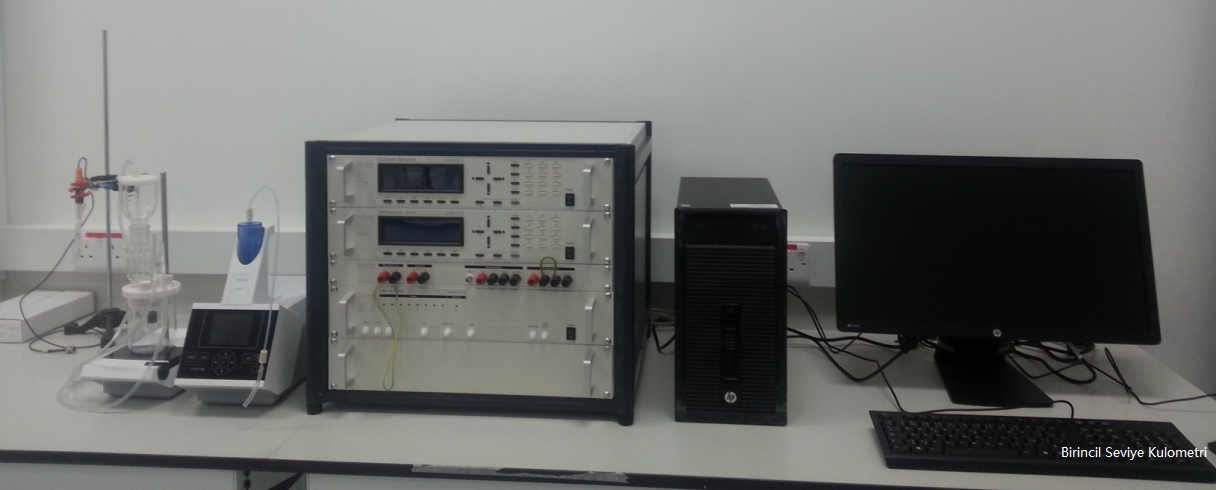
- Primary Level Constant Current Coulometry Measurements
- Potentiometric Titrimetry Measurements
- Development of a Purpose-Based Electrochemical (Bio)Sensor
- Voltammetric Measurements
- Development of Purpose-Based Electrochemical Energy Storage (supercapacitor, battery) Systems
- Energy Storage Systems Performance Tests
- pH Meter Calibration Training
- Electrolytic Conductivity and Calibration Training
- Voltammetry Training
- Customer-oriented Consulting Services
Calibration / Testing Services
Training Services
Consulting Services
Technical Hardware and Equipment
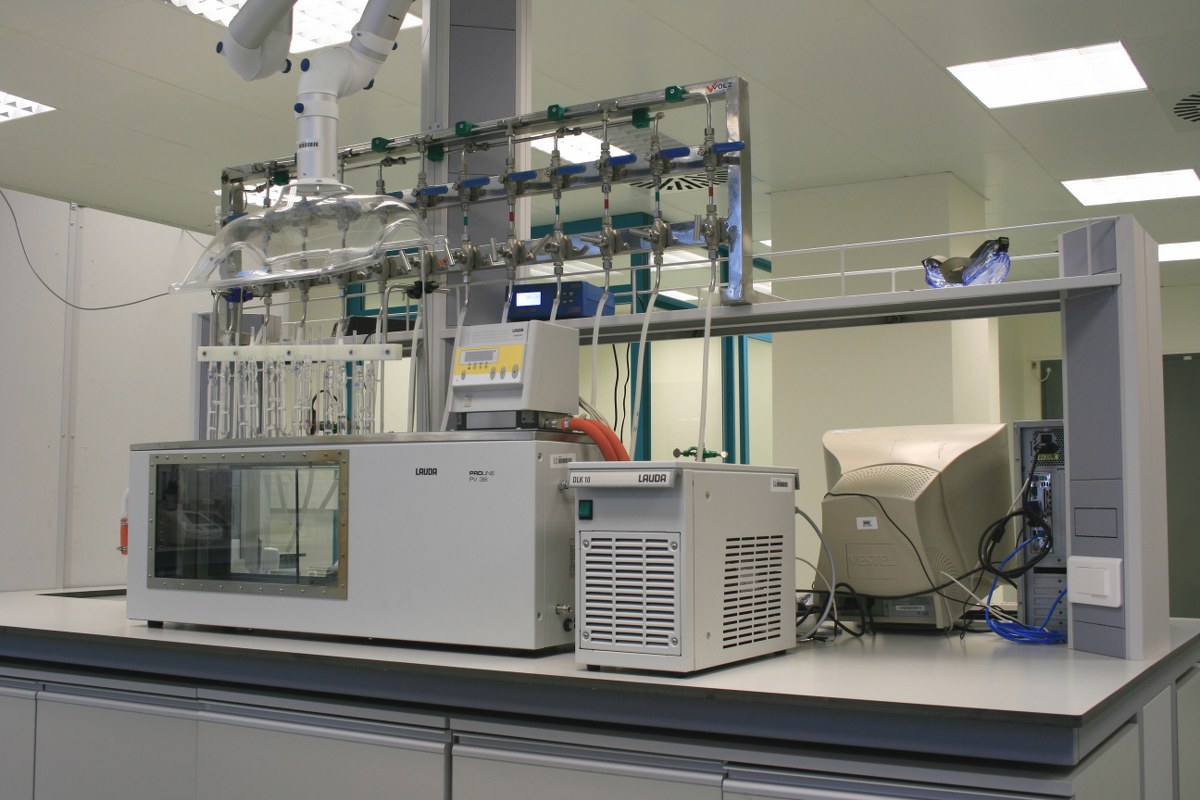
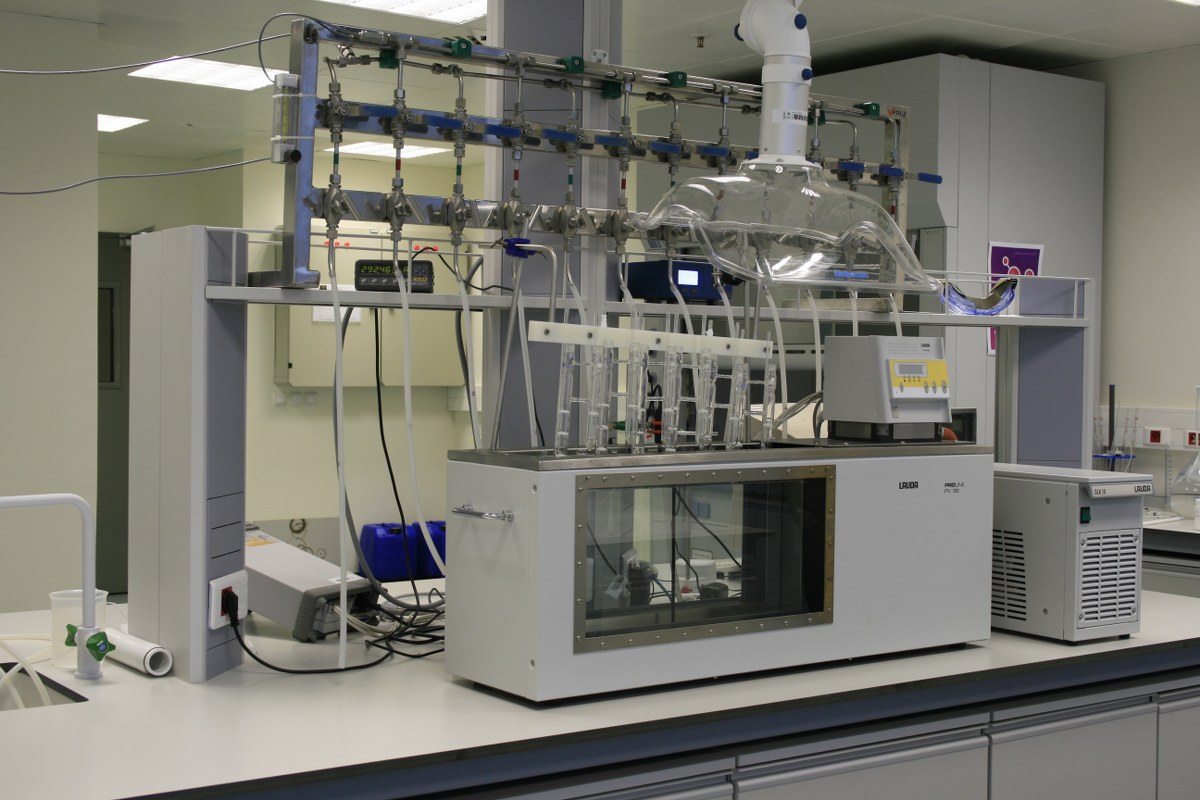
- Primary and Working Level pH Measurement System
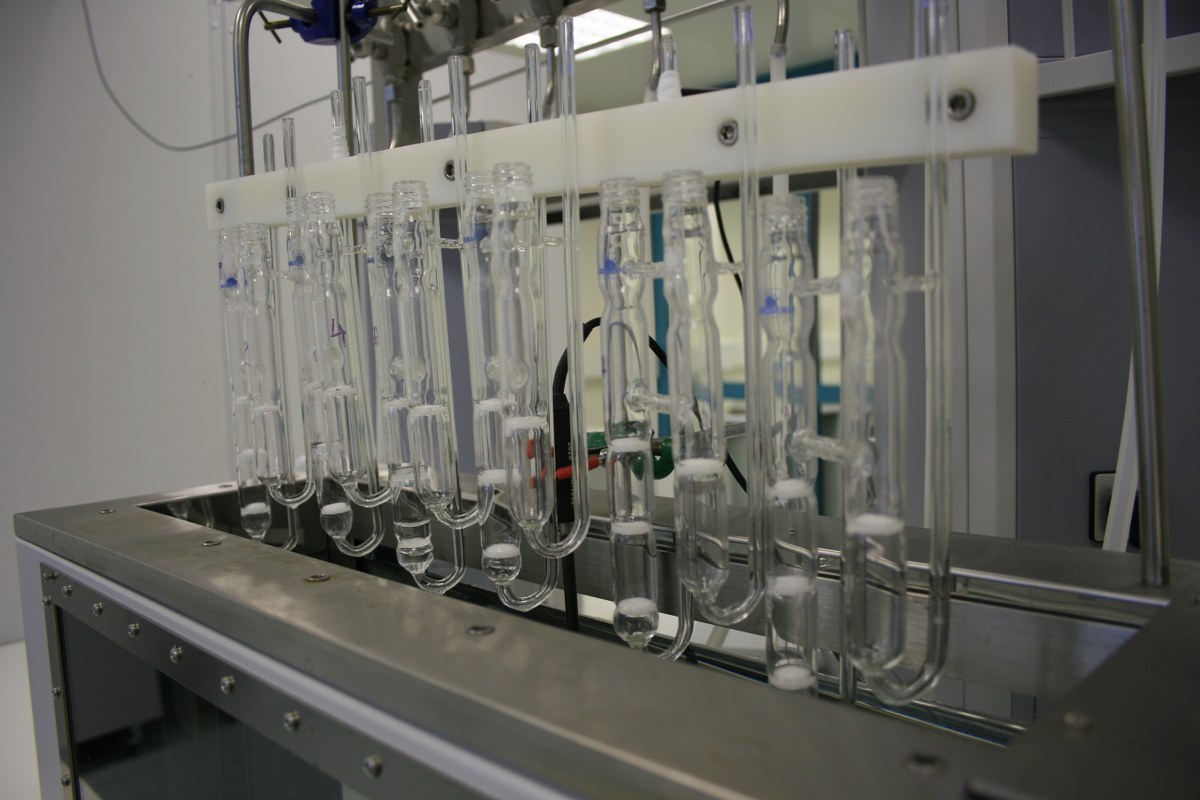
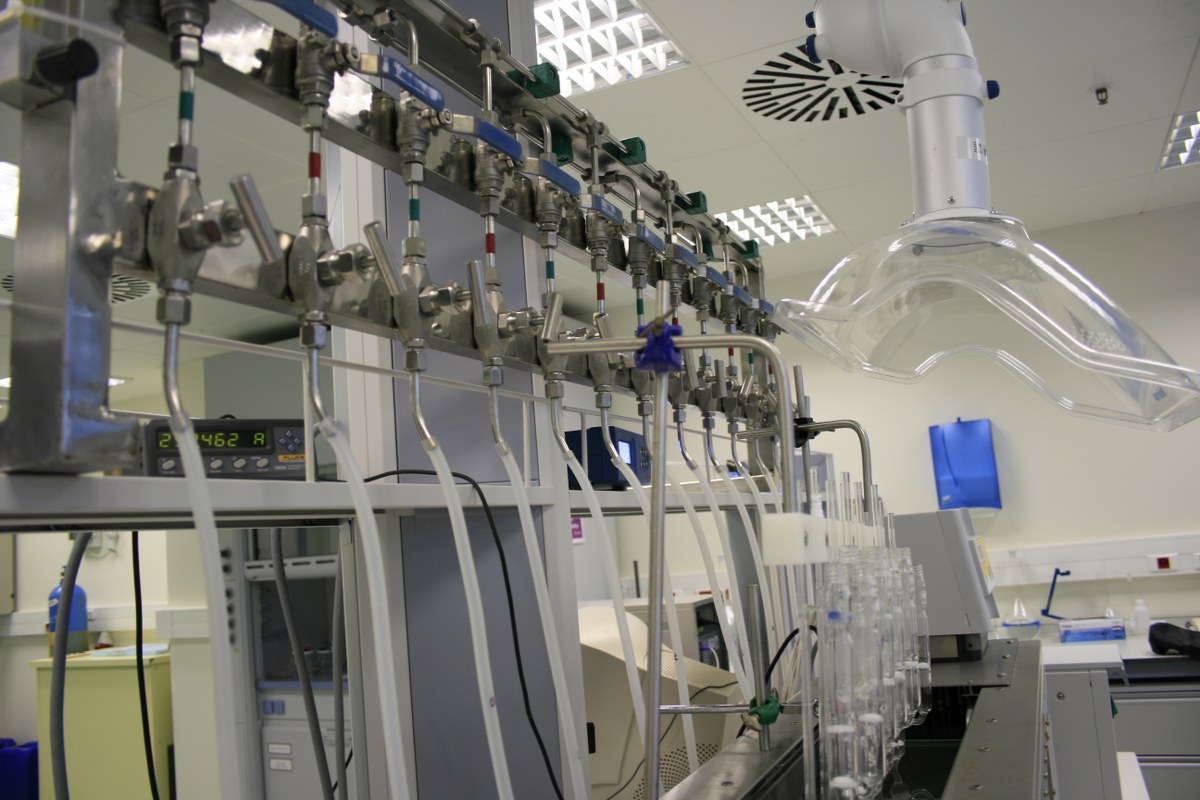
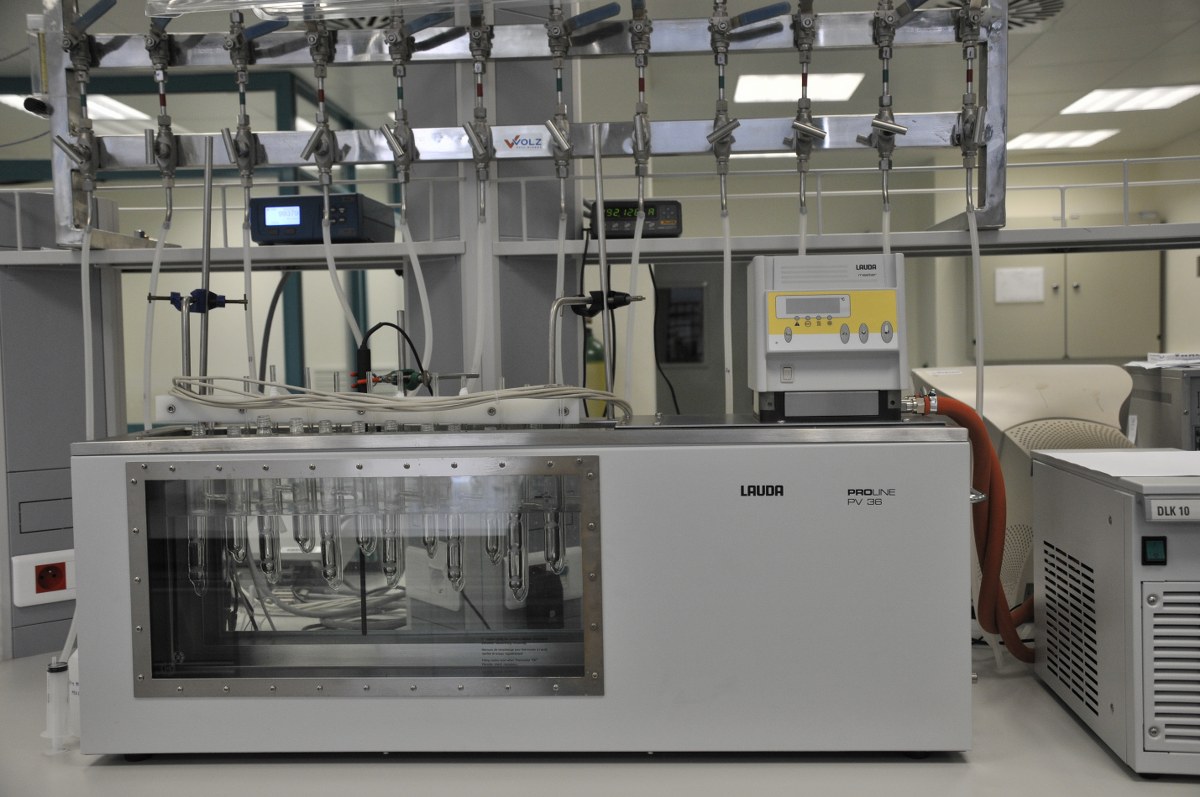
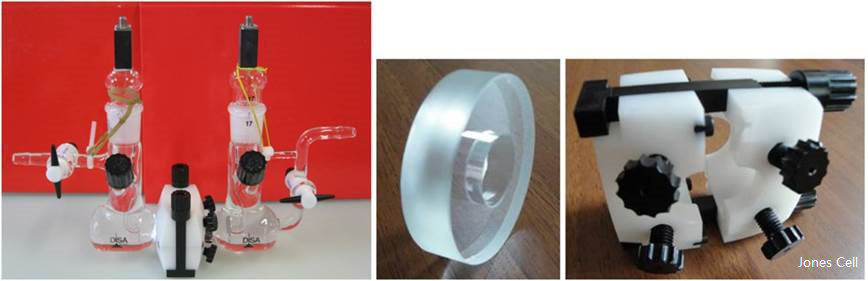
- Primary and Working Level Electrolytic Conductivity Measurement System
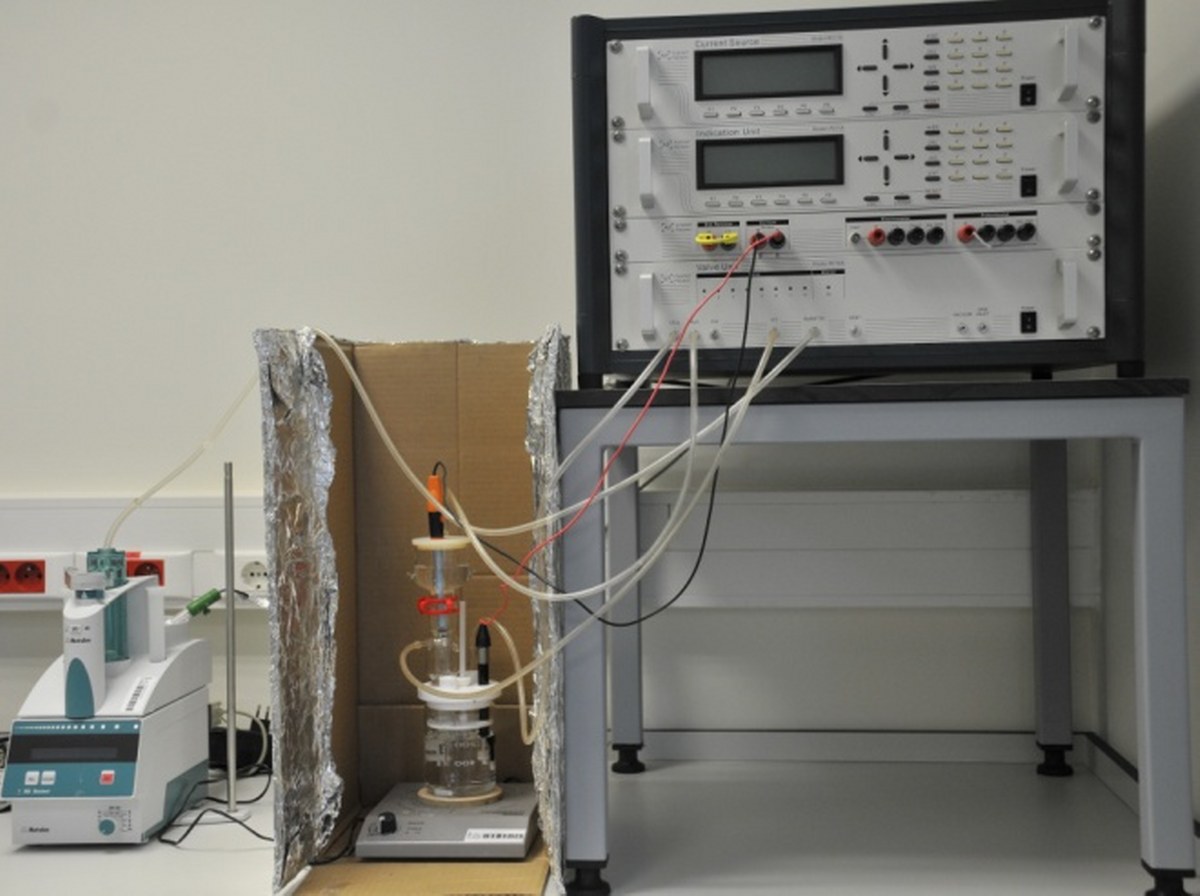
- Primary Level Constant Current Coulometry System
- Potentiometric Automatic Titrator System
- Voltammetry System
- Energy Storage Production and Test Equipment System
CHEMISTRY GROUP
Projects and Collaborations
The aim of this project is to provide the Saudi Standards, Metrology and Quality Organization National Measurement and Calibration Center (SASO - NMCC) with the basic infrastructure for metrology laboratories in the fields of Wavelength, Temperature, Impedance, Pressure, Mass, Dimensional Measurements and Force, and to provide the necessary training and consultancy services.
These projects have served to increase the experience of TÜBİTAK UME personnel in international projects as well as their knowledge and capabilities for the establishment of new laboratories. TÜBİTAK UME also benefits from its increased visibility in the Middle East and North Africa.
pH measurements are one of the most widely applied measurement techniques. The accuracy of pH measurements applied in the health, environmental, food and chemical sectors is also important for our daily lives. The requirement for accurate pH measurements is the calibration of the pH system. As a result of the calibration process, two performance parameters of the glass electrode are determined. Since the stability of the glass electrode is short-term, it needs to be calibrated frequently. Currently, the standard buffer solutions used in all these calibrations are imported from abroad and traceability is ensured from abroad. Another problem is the long lead time for these products (4-8 weeks).
Within the scope of the project, buffer solutions with different pH values (4, 7 and 10) will be prepared. In this way, traceability for pH measurements will be ensured through TÜBİTAK UME and the standard solutions required for pH measurements will be supplied domestically and dependence on foreign countries will be reduced. (Completed)
Products: https://rm.ume.tubitak.gov.tr/urun_grup.aspx?p=eJhgCMNKZy7zVlwCxUFCtw==
Conductivity is a measure of the ability of a solid, liquid or gaseous substance to conduct electric current. In solutions, conductivity is provided by positively or negatively charged ions and this type of conductivity is called electrolytic conductivity. Electrolytic conductivity measurements and control are of great importance both in research studies applied in fields such as chemistry, medicine, food and environment in industrial processes and in determining the compliance of a product with legal requirements. Conductivity measuring devices are used in all these measurements. Certified reference conductivity solutions (SRM) are used for the calibration of these devices used in all public, private and university laboratories in Turkey and these materials are supplied from abroad. Therefore, it is planned to produce and certify these solutions within the country. In this way, it is aimed to keep the foreign currency spent in previous years in our country by obtaining reference solutions from foreign sources domestically.
(Completed)
Products: https://rm.ume.tubitak.gov.tr/urun_grup.aspx?p=eJhgCMNKZy7zVlwCxUFCtw==
Kalorimetrelerde yapılan ısıl değer ölçümlerinin doğruluğundan emin olmak için ısıl değeri bilinen benzoik asit maddesi kullanılmaktadır. Maddelerin gerçek ısıl değerlerinin tam olarak belirlenmesi bu malzemelerin saflığına da bağlıdır. Sertifikalı referans malzeme elde edilebilmesi için benzoik asitin %99,9 veya daha iyi saflık değerine sahip olması gerekir. Böylece kalorimetrelerin kalibrasyonlarında kullanılması mümkün olur.
In our country, there are nearly 40 (forty) organizations accredited by TÜRKAK that measure heat values. It is aimed to meet the needs of these organizations for benzoic acid certified reference material from our country and to ensure measurement unity and traceability in our country.
To ensure the accuracy of calorimetry measurements, benzoic acid with known calorific value is currently used, which is available from abroad both at high cost and over long periods of time.
At the same time, it is to reach a measurement unity by securing the energy values of solid and liquid substances in our country with accurate, reliable and repeatable measurements.
The certified reference materials to be produced with this project will respond to this need in our country. The production of reference materials will mainly consist of material processing, homogeneity, short-term and long-term stability, characterization, value assignment and post-certification monitoring.
(Ongoing)
Products: https://rm.ume.tubitak.gov.tr/urun_grup.aspx?p=KsGR8REIFMSE8sKvxW1ipQ==
The SARS-CoV-2 virus, which causes COVID-19, is a virus that emerged in China in December 2019 and has now swept the world, leading to the declaration of a pandemic. Although this virus (SARS-CoV-2) is usually transmitted by droplet (sneezing, coughing), it has also been proven to be transmitted by people touching a surface or object with the virus on it and then touching their own eyes, nose or mouth. Considering this situation, rapid, selective, reliable and cost-effective detection of this virus becomes very important. Within the scope of this project, it is aimed to develop a sensor platform based on antibody molecules attached to the gold nanoparticle surface and to easily detect the spike proteins of the virus by both optical and electrochemical measurement methods. In this way, a new method will be added to the measurement methods in the literature and it will be an alternative method for the production of different kits and/or devices based on this strategy.
(Ongoing)
COVID-19 disease caused by the SARS-CoV-2 virus is a contagious and potentially fatal disease that progresses with dry cough, fever and finally difficulty in breathing. Specific proteins of SARS-CoV virus and some other viruses, which are very similar to the virus that causes this disease, have been identified by voltammetric techniques with antibodies isolated from them. One of the most commonly used sensor materials for this purpose is electrodes formed by modification of graphene oxide, metal nanoparticles and antibody on carbon sheet. These electrodes are used for selective and sensitive determination of relevant antigens. This project includes the minimization, fabrication and characterization of these relatively macro-sized sensors in order to use less material, optimization and creation of the measurement procedure, design, fabrication and verification of the mini-sized device that will perform the measurement. If the project is successful, the national diagnostic kit and device for specific proteins of the SARS-CoV-2 virus could become an attraction for all laboratories, hospitals and facilities measuring on a national or international scale. Identification of this disease now and in the future and the production of kits/devices will reduce the country's financial dependence on foreign countries and may shed light on the production of new kits and devices for the diagnosis of other existing or future diseases.
(Ongoing)
A primary level measurement system for electrolytic conductivity measurements will be installed.
With the system to be established, participation in international comparisons and projects will be realized and conductivity measurements will be harmonized with the SI units system. Traceability for these measurements will be provided through TÜBİTAK UME.
(Completed)
"Voltammetric techniques for the determination or diagnosis of diseases caused by viruses and methods in which these viruses are determined by isolated antibodies or antigens are available in the literature. One of the most widely used sensor materials for this purpose is electrodes formed by modification of graphene oxide, metal nanoparticles and antibody or antigen on a carbon layer [1]. In addition to carbon materials, antibody or antigen modification can also be performed using gold nanoparticles or different binding groups on film electrodes [2-5]. These electrodes are used for selective and sensitive determination of the relevant antigen or antibody.
This project includes the production and characterization of original electrodes sensitive to one or more of the yellow fever (yellow fever), parvovirus (canine bloody diarrhea disease), norovirus (stomach flu) and influenza A (swine flu) viruses, measurement procedure optimization and creation, and synthetic sample applications by taking advantage of the electrode production experience obtained in the "Voltammetric Sensor & Device Production for COVID-19 Disease" project.
If the project is successful, the sensors produced for the indirect determination of the relevant viruses or antibodies will become an attraction for all laboratories, hospitals and facilities that make measurements on a national or international scale. The ability to detect these diseases now and in the future and the production of sensors will reduce the country's financial dependence on foreign countries and may shed light on the production of new sensors for the diagnosis of existing or future diseases."

For more informationContact Us
Email: ume@tubitak.gov.tr
Phone: 0 (262) 679 5000