


The R&D Support and Information Systems Laboratory provides support to UME laboratories and projects carried out in the fields of control, automation and software of calibration/experiment instruments, design and manufacturing of measuring instruments, electronic and mechanical design, manufacturing, maintenance and repair, as well as providing similar services to the private sector on demand.

Developing Atomic/Quantum Sensors for GPS independent Navigation and Magnetic Anomaly Detection.

Electromagnetic Compatibility (EMC) is the ability of electrical or electronic devices to operate in harmony with their environment in their electromagnetic environment. Before each electrical, electronic or electromechanical device is put into user service, EMC tests must be performed to determine that it does not emit unwanted interference signals to its environment, the electrical power lines to which it is fed or the data transmission lines to which it is connected, and that it is not affected by its environment, the electrical power lines to which it is fed or the data transmission lines to which it is connected.
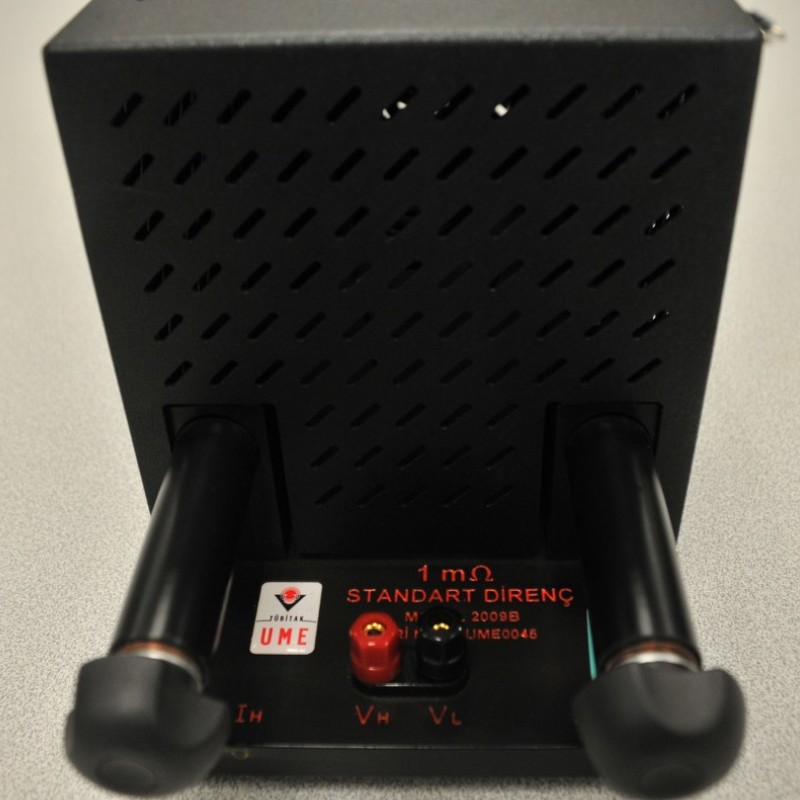
Impedance Laboratories carry out studies in the field of DC and low frequency impedance measurements.

The Voltage Laboratory is responsible for establishing and maintaining national standards for voltage and current measurements, transferring their accuracy to secondary laboratories through calibration and comparison, and ensuring international recognition of measurements through international laboratory comparisons.
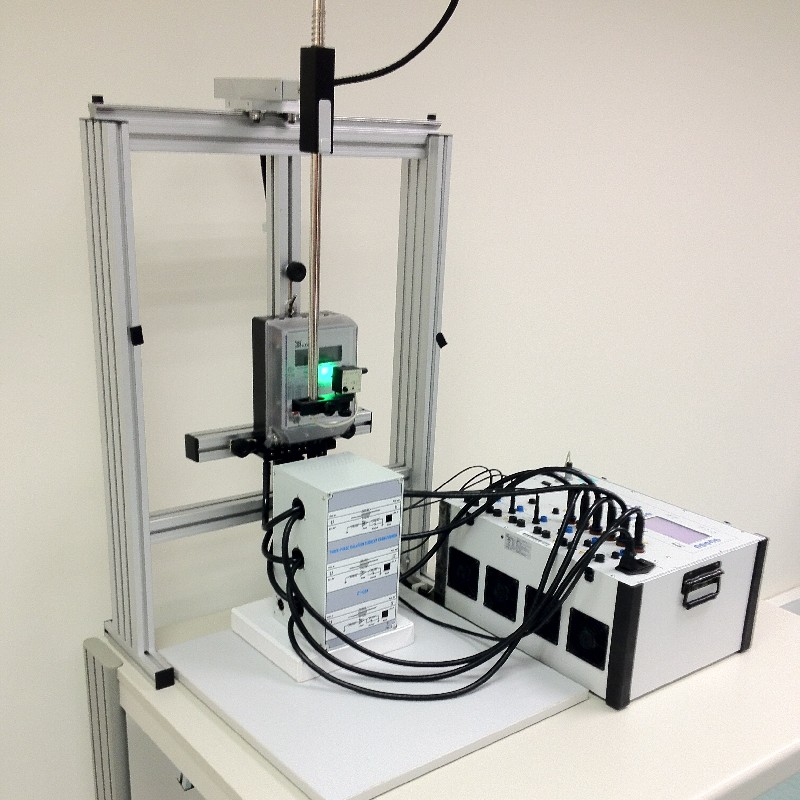
The Power and Energy Laboratory is responsible for ensuring the integration of AC power and energy measurements, AC voltage and AC current ratio measurements performed within the country into the international metrology system. For this purpose, the Laboratory establishes and maintains national standards, ensures international recognition of the accuracy of measurements through international comparison measurements, transfers traceability to national standards to second and lower level laboratories in the country through calibration services, and carries out R&D project activities in line with the country's needs.
The Quantum Metrology Laboratory was started to be established within the scope of the TÜBİTAK UME Research Infrastructure Renovation and Development Project supported by the Ministry of Development, which started in 2017, and accelerated its activities by taking its place in the TÜBİTAK UME organizational chart in 2018. In the process of redefining the units in the International System of Units (SI), the Quantum Metrology Laboratory plays an important role along with other activities carried out to ensure the continuity and development of TÜBİTAK UME's competencies and to reduce external dependency.

In the magnetics laboratory, calibration of magnetic field measuring devices (Gauss/Teslameter, magnetometer, fluxmeter, etc.) and characterization of magnetic materials are aimed to be carried out. At the same time, it is also among its duties to establish national standards in these areas and transfer them to secondary level laboratories.

The Medical Metrology Laboratory was established as a result of the "Medical Metrology Feasibility Project", which was completed as a result of a long study process within TÜBİTAK UME, and was approved by the TÜBİTAK Scientific Board decision dated 06/12/2014 and numbered 236 and started its activities. The main purpose of UME Medical Metrology Laboratory is to ensure and improve the traceability of measurement quantities in the fields of medical metrology, to integrate them into the international metrology system through international comparisons and to establish measurement unity by providing traceability to lower level laboratories established within or outside the country with the calibration, measurement and test services provided.

The purpose of TÜBİTAK UME Optics Laboratory is to establish primary level measurement systems in optics, to create reference standards traceable to the International System of Units (SI), to ensure the integration of the standards created into the international system through comparisons, and to control the measurements within the country through calibration and testing services. In this context, the Optics Laboratory provides calibration, testing, training and consultancy services in the fields of Radiometry, Photometry, Spectrophotometry, Fiber Optics and Photovoltaics.
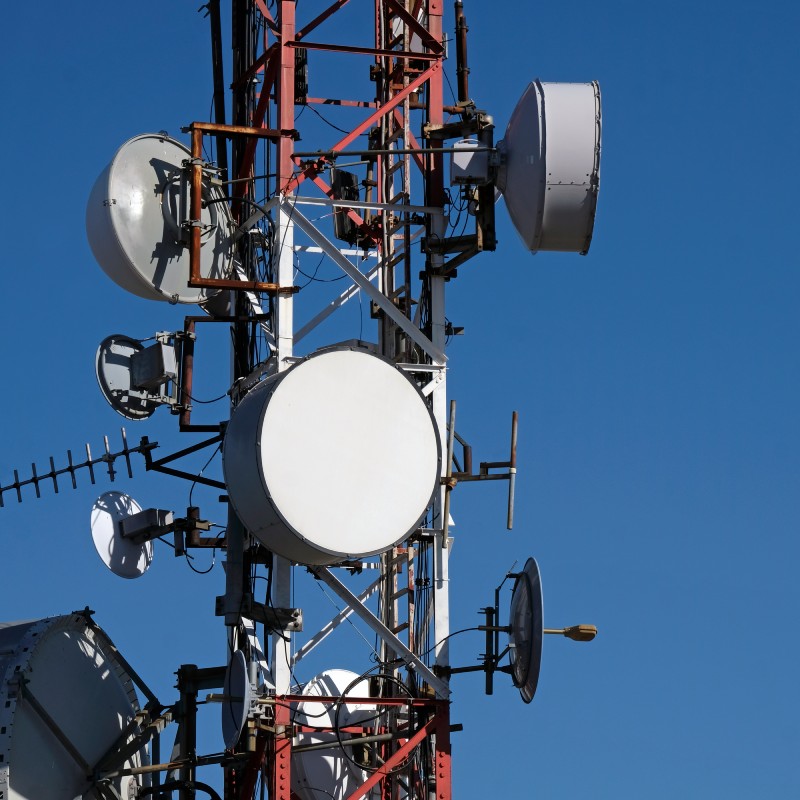
The aim of the RF and Microwave Laboratory is to comprise and maintain the primary level standards traceable to the SI units at the high frequency power, impedance, attenuation and noise measurements at the level of leading national metrology institutes. Also, distribute magnitudes obtained from standards to the countrywide.
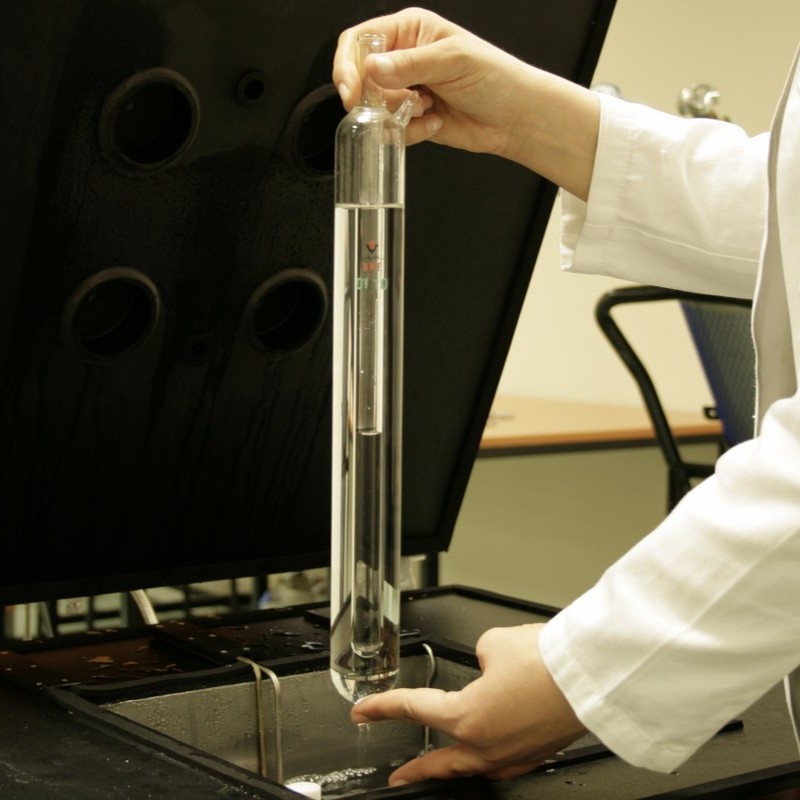
The Temperature Laboratory is responsible for establishing the Kelvin, one of the seven basic units of measurement according to the International System of Units (SI), and ensuring the compliance of all temperature measurements covering the contact temperature area within the country with the international metrology system in a way traceable to the Kelvin. For this purpose, it is the main obligation of the Temperature Laboratory to establish and maintain national standards, to ensure international recognition of the accuracy level of measurements through international comparison measurements, and to transfer traceability to national standards to second and lower level laboratories within the country through calibration services.
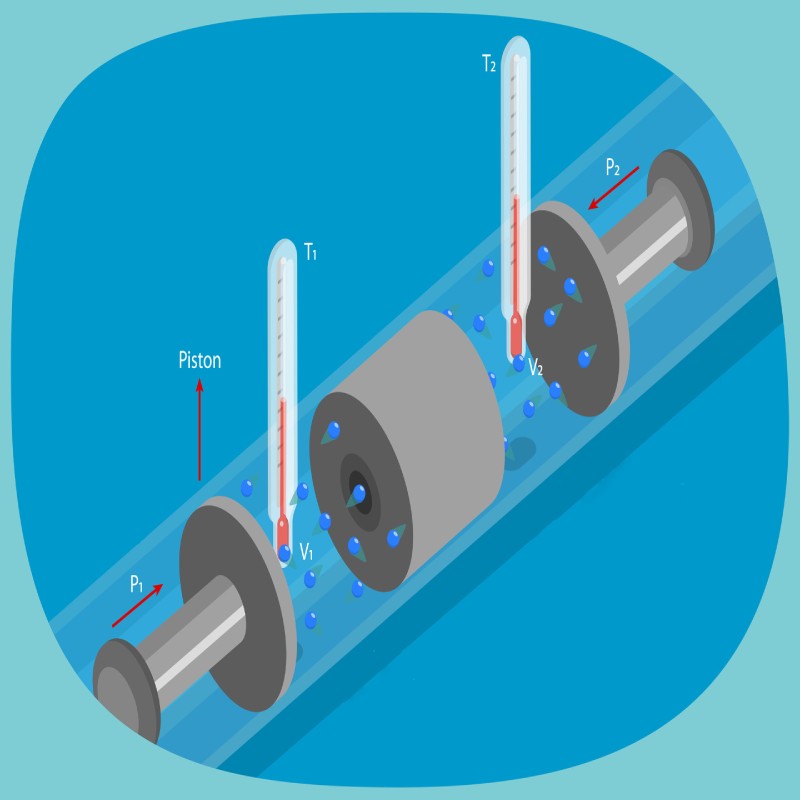
Thermodynamics Laboratory provides traceable measurements of humidity, temperature and thermophysical properties. Humidity Laboratory performs humidity measurements and instrument calibrations in gaseous and solid environments. Radiation Temperature Laboratory provides calibration of non-contact temperature measuring devices. Thermophysical Properties Laboratory measures properties of materials such as thermal conductivity, self-heat and expansion.

The main purpose of TÜBİTAK UME High Voltage Laboratory is to ensure and improve the traceability of measurement quantities in the field of high voltage metrology, to integrate them into the international metrology system through international comparisons, and to establish measurement unity by providing traceability to lower level calibration and test laboratories established within or outside the country with the calibration, measurement and test services provided. In addition to calibration services, the High Voltage Laboratory performs high voltage tests of electromechanical products in accordance with national and international standards.
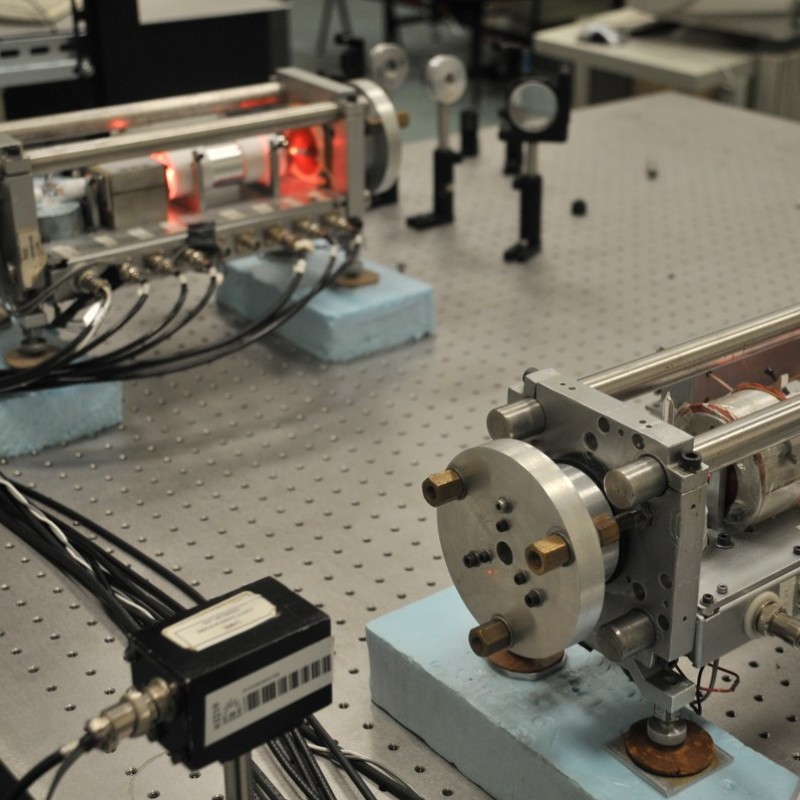
The time unit second (s), one of the seven basic SI units, is nowadays 10-14– 10-15 is the unit that can be measured most accurately with precision. For this reason, time and frequency measurements are utilized to increase the measurement accuracy of other units. Developed countries support these studies by establishing time and frequency standards systems in order to meet the need for accurate time and frequency information with the developing technology and to improve time protection systems, which are of special importance in aviation, space and defense systems.