

UME
Acoustics Laboratory
About Us
The main purpose of the Acoustics Laboratory is to establish, maintain and develop the standards of measurement quantities in the fields of acoustics, vibration and gravitational acceleration at the primary level, to integrate them into the international metrology system through international comparisons and to establish measurement unity by providing traceability to lower level laboratories established within or outside the country with the calibration, measurement and test services provided. Another aim of the laboratory is to produce research projects in the fields of laboratory activities in line with the needs of the country and the demands of its stakeholders.
Areas of Activity and Services
Acoustics Laboratories is involved as a project partner in research projects within the scope of the European Metrology Research Program. These types of projects enable the laboratories to increase their international cooperation, experience and expertise. The services and areas of work provided by the laboratories are summarized below.
Acoustic Space
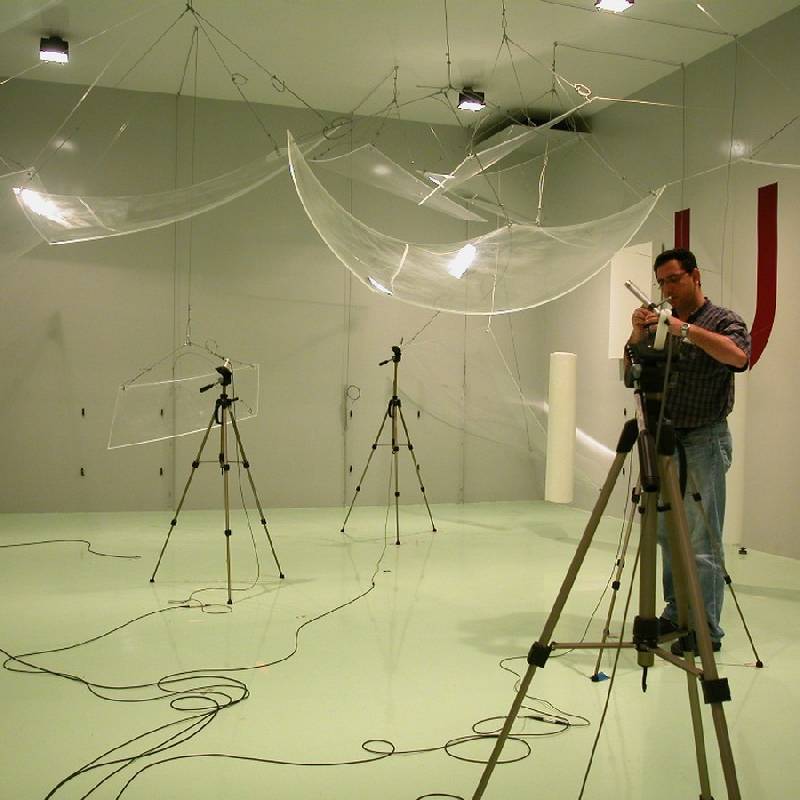
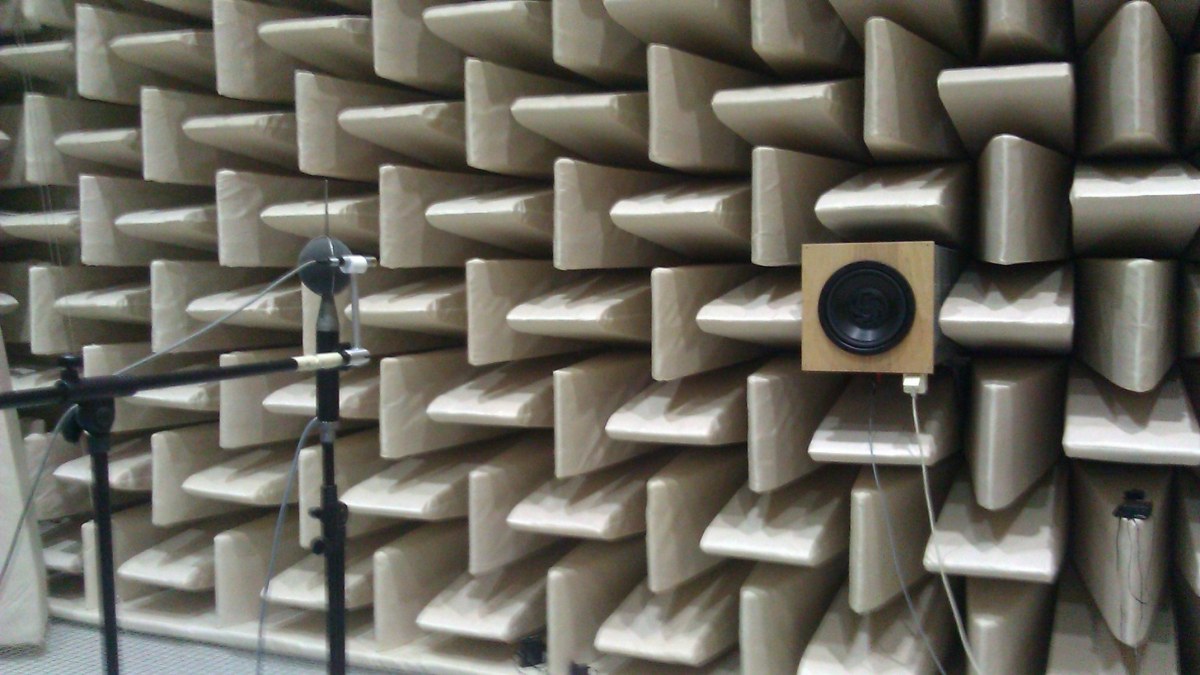
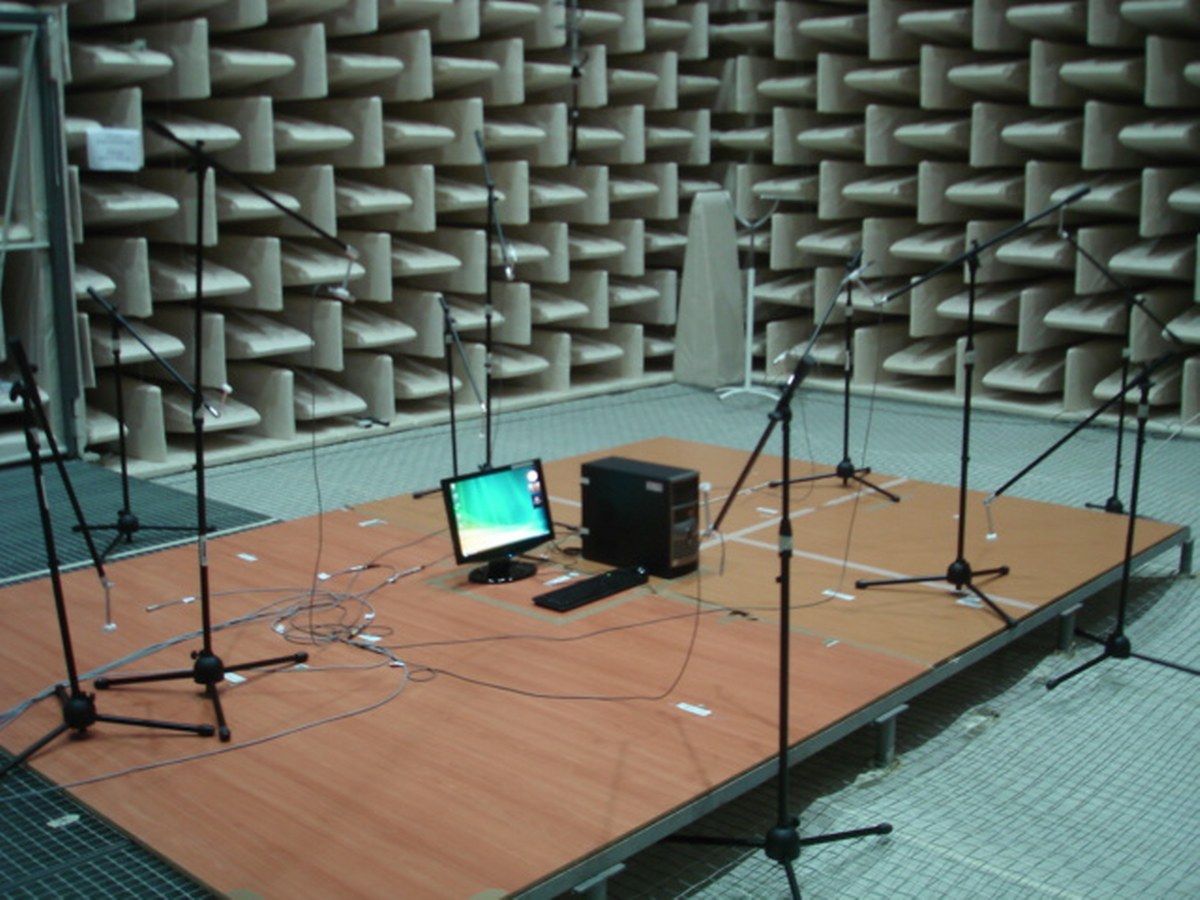
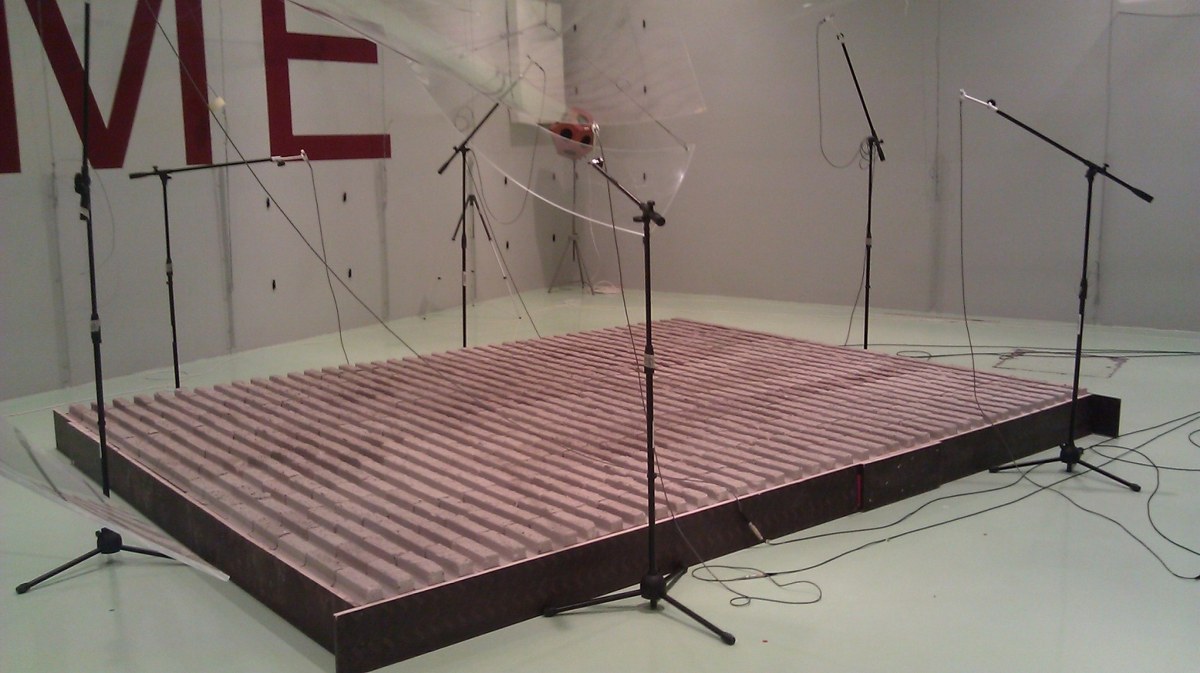
In the laboratory, studies are carried out to establish and develop the sound pressure unit standard at the primary level. In addition, primary and secondary calibrations of devices and transducers used in acoustic measurements, measurements to determine the sound power level of noise sources, measurements of sound absorption coefficient of building materials, measurements of directional characterization of noise sources, acoustic tests in special rooms, characterization of special acoustic rooms performed on-site and ringing time measurements of closed volumes are carried out by the laboratory.
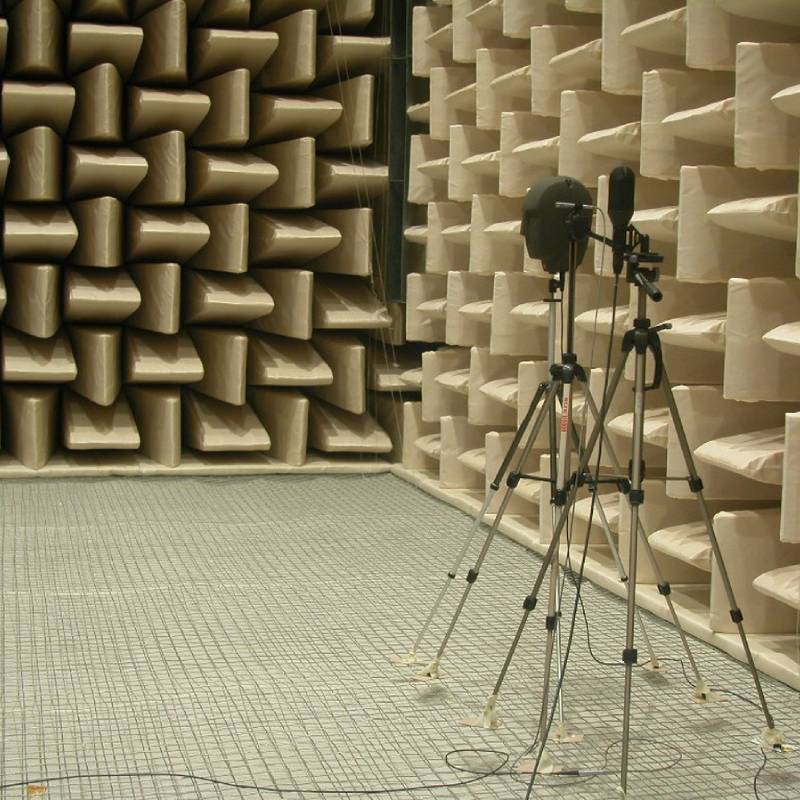
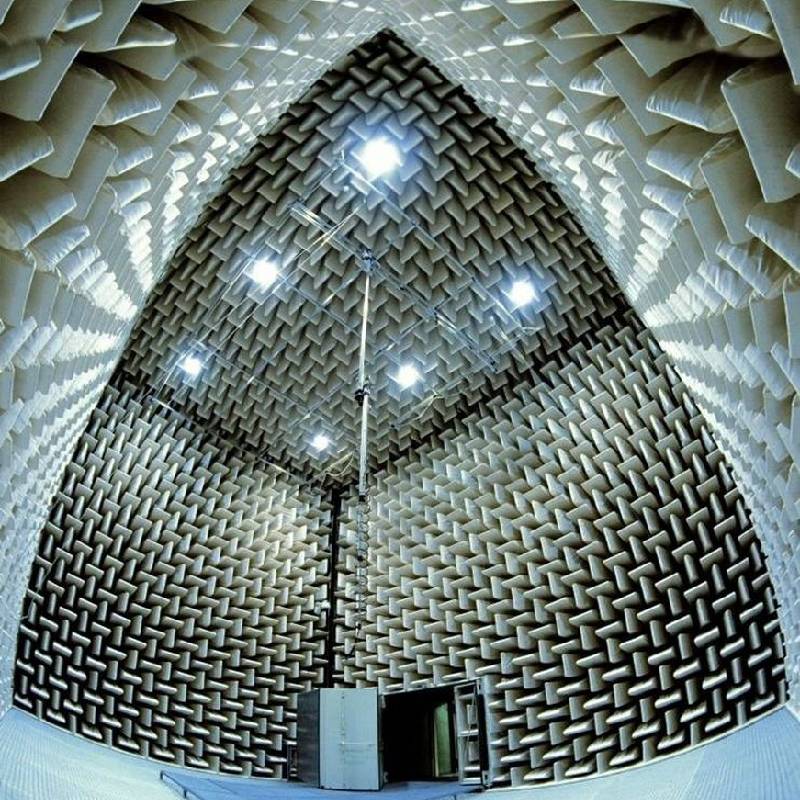
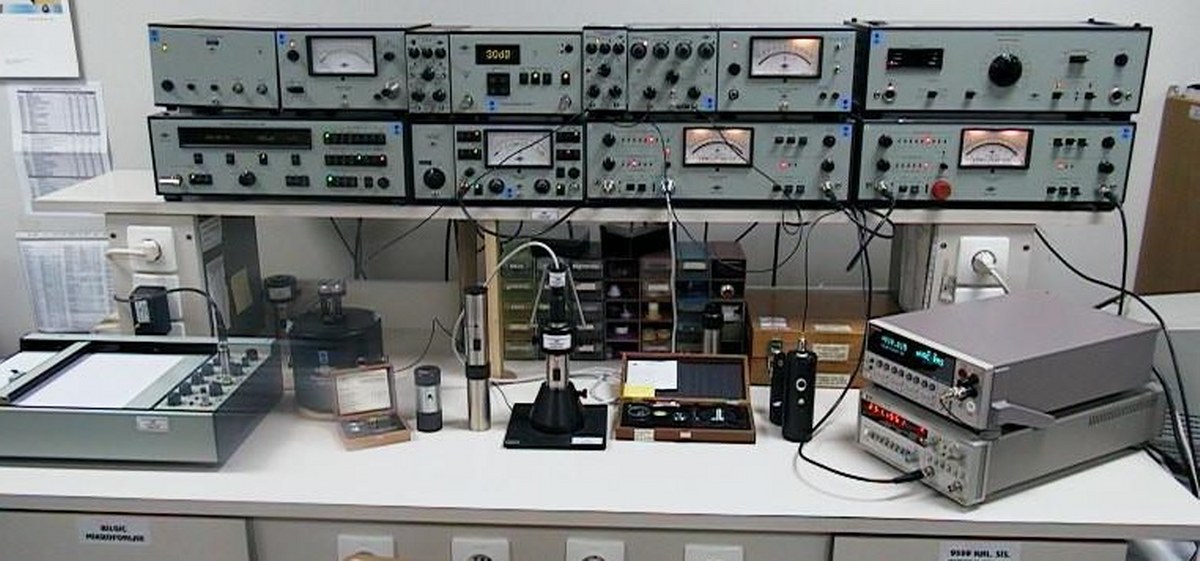
The sound pressure unit standard was established by the laboratory according to the IEC 61094-2 standard in the frequency range of 2 Hz - 25 kHz. The laboratory participates in international comparisons organized by both the International Committee for Weights and Measures (CIPM) and Regional Metrology Organizations to determine the degree of equivalence of the obtained standard to the national standards of other countries. The uncertainty of the national standard is comparable to the uncertainty of the standards of the leading national metrology institutes. The value of the national standard is transferred to the lower level through the calibration of various instruments and transducers, e.g. microphones, sound calibrators, etc. With its 50 Hz lower limit frequency Full Anechoic Chamber, Resonance Chamber and extensive instrumentation and measurement infrastructure, the laboratory is at a level to perform many precise measurements in the field of acoustics within and outside the country and to contribute to projects where acoustic metrology is required, and participates and contributes to various projects at home and abroad. The Acoustics Laboratory is also involved in the installation of the Acoustic Gas Thermometer system in the Temperature Laboratory, which is accepted as the primary standard in the new definition of the "kelvin" unit in the field of temperature.
Vibration Field
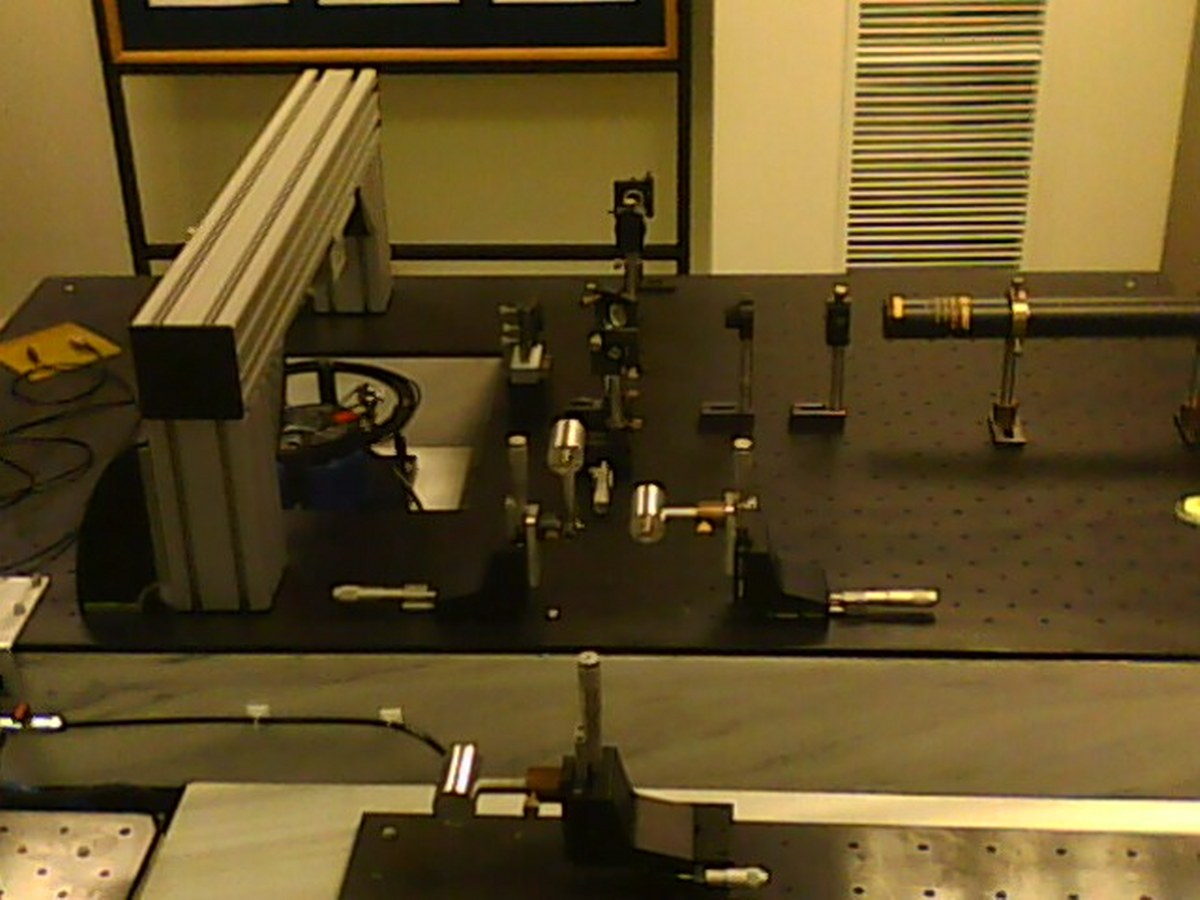
In the laboratory, studies are carried out to establish and develop linear acceleration and shock unit standards at primary level. Primary and secondary calibrations of devices and transducers used in measurements and experiments in the fields of vibration and force, vibration measurements are also among the activities of the laboratory.
The national standard for the linear acceleration unit is established for the range 0.4 Hz - 20 kHz according to the ISO 16063-11 standard. The shock unit standard was established according to the ISO 16063-13 standard. The resulting standards participate in international comparisons organized by both the International Committee for Weights and Measures (CIPM) and the Regional Metrological Organizations to determine their degree of equivalence to the national standards of other countries. The uncertainties of the national standards are comparable to those of the standards of the leading national metrology institutes. Traceability to lower levels is ensured by using reference transducers calibrated at the primary level. An angular acceleration unit standard is planned to be established in the coming periods.
Absolute Gravitational Acceleration Field
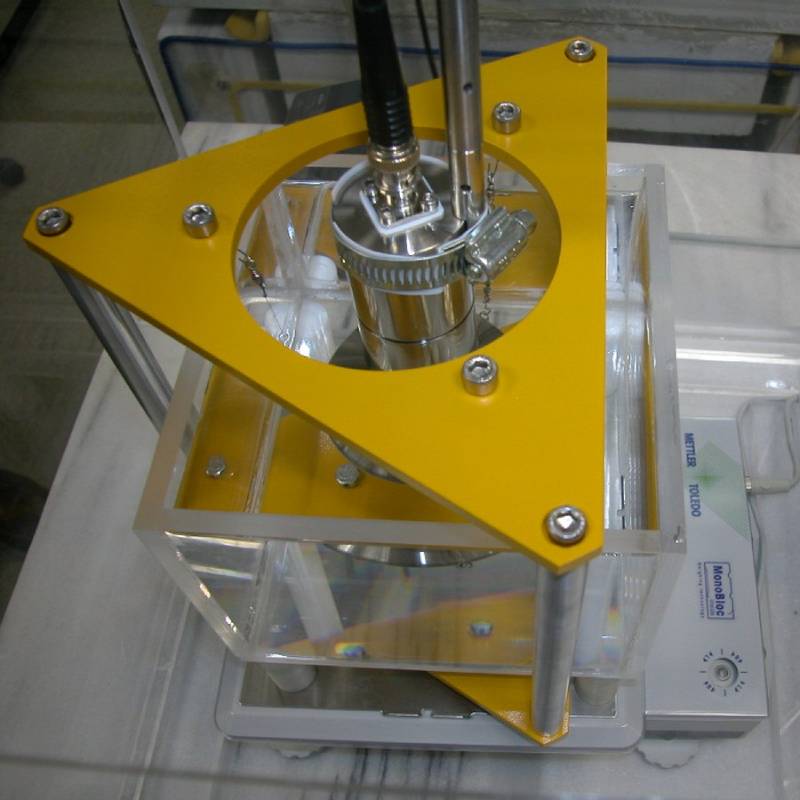
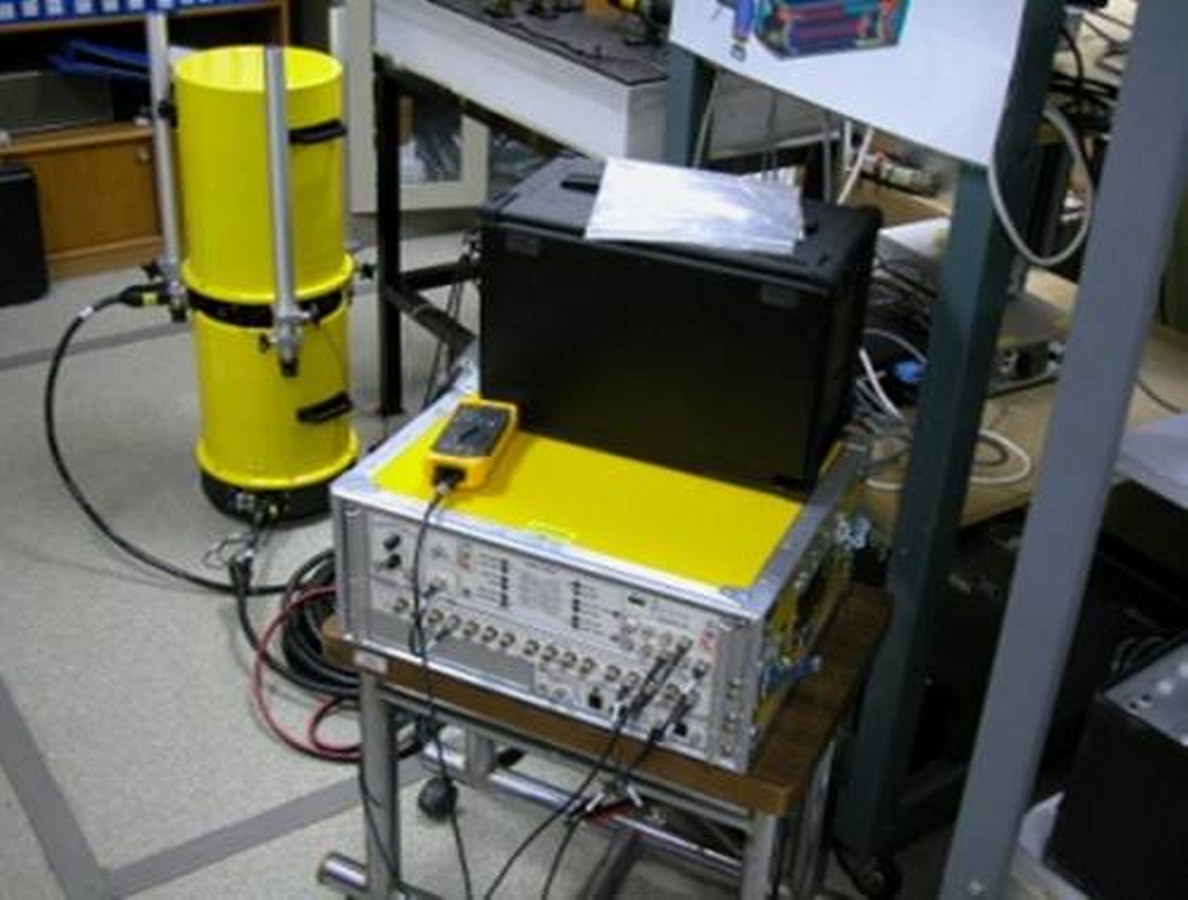
Absolute gravitational acceleration is a quantity that varies depending on geographical location (latitude, longitude and altitude). Absolute gravitational acceleration is used to standardize derived SI quantities such as pressure, force and torque. It is very important for "Kibble Balance" systems following the new definition of the unit of mass. Today, the value of absolute gravitational acceleration is measured with A10 and FG5-X model absolute gravitational acceleration measurement devices using the path taken by an object in free fall motion in a vacuum environment and the time elapsed accordingly. In the laboratory environment, the absolute gravitational acceleration value can be obtained with an uncertainty value of 2 µGal (1 Gal = 1 cm/s²). In this context, it participates in international comparisons organized by both the International Committee for Weights and Measures (CIPM) and Regional Metrology Organizations to determine the degree of equivalence with the national standards of other countries. Reference calibration base stations have been established at approximately 90 points across Turkey to generate reference absolute gravitational acceleration values required for the calibration of relative gravimeters (CG-5, CG-6, etc.). The new mass definition measurement system realized in the Electrodynamics Laboratory is supported by periodic absolute gravimetry measurements using the FG5-X Absolute Gravimetry measurement system.
Services Provided
Calibration / Testing Services
Training Services
Consulting Services
Technical Hardware and Equipment
Acoustics Field
- Correspondence calibration for laboratory standard microphones,
- Comparison calibration for working standard microphones,
- Equivalent voltage and comparison calibration of audio calibrators,
- Sound level meter and dosimeter calibration (acoustic and electrical tests),
- Audiometer calibration,
- Determination of free field response of microphones and sound level meters
- Hearing aid analyzer calibration,
- Artificial ear calibration,
- Ear simulator calibration,
- Verification measurements of special acoustic rooms
- Sound power level determination measurements in a 50 Hz sub-frequency Full Non-Reflection Room and a 100 Hz sub-frequency Resonant Room,
- Acoustic tests,
- Measurements of reverberation time and sound absorption coefficient,
- Microphone preamplifier calibration
- Conditioning amplifier calibration
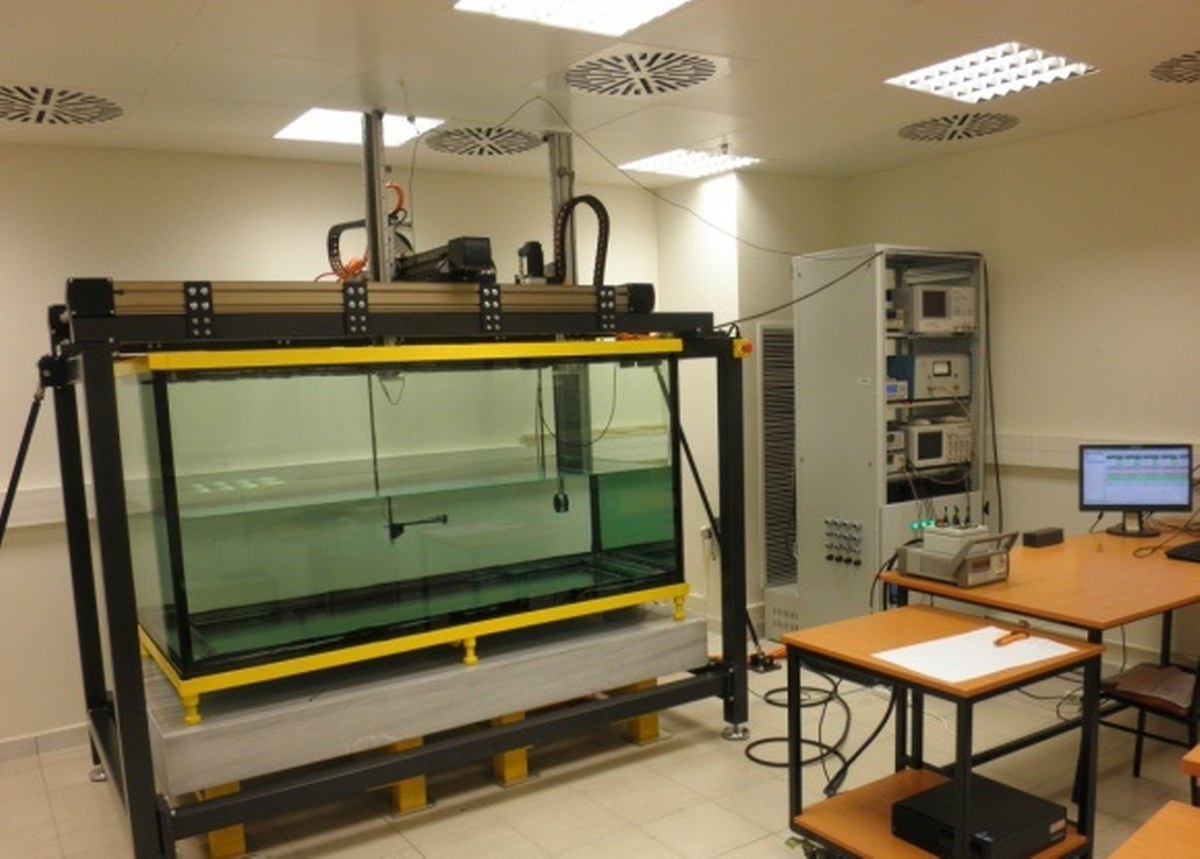
- Sound velocity measurements in solid materials,
Vibration Field
- Primary calibration of reference standard accelerometers,
- Comparative calibration of working standard accelerometers,
- Primary calibration of shock transducers,
- Comparative calibration of shock transducers,
- Vibration exciter calibration,
- Vibration measurement set calibration system,
- Impact hammer calibration,
- Conditioning amplifier calibration
- Impedance head calibration,
- Artificial mastoid calibration,
- Multi-channel vibration measurements,
- Ground vibration measurements
- Electrical calibration of calibration systems based on CS18
In Gravimetry
- Absolute gravitational acceleration measurement systems (A10 and FG5-X)
- Environment Conditions :
| Environmental Parameter | Must-Have Values | Tolerances |
|---|---|---|
| Temperature | Temperature 23.0°C | ± 3,0 |
| Relative Humidity | 45.0 %rh | ± 15.0 %rh |
* This parameter is not controlled but only monitored.
MECHANICS GROUP
Projects and Collaborations
- UME Research Infrastructure Renovation and Development Project, G2AK-2017K12, (2017- ...)
- Modernization of the Turkish Elevation System and Improvement of Gravity Infrastructure (2015 - ...)
- FP7 EMPIR Project, Metrology for Modern Hearing Assessment and Protecting Public Health from Emerging Noise Sources (2017-2019 )
- D-3 Development Consultancy Service Program for SASO/NMCC project for UME, Acoustics, Vibration and Gravimetry Laboratories (2015-2017)
- FP7 EMRP Project, Creation, Deployment and Applications of Watt Units for Airborne Sound (2013 - 2016)
- FP7 EMRP Project, Universal Ear Simulator and Metrology for the Detection of Inaudible Sound (2012 - 2015)
- FP7 EMRP Project, Metrology for Therapeutic Ultrasonics (2012 - 2015)
- Medical Metrology Research Laboratory Establishment (2013 - 2015)
- Sound Velocity Measurement in Solid Materials (2013 - 2014)


For more informationContact Us
Email: ume@tubitak.gov.tr
Phone: 0 (262) 679 5000