

UME
Force Laboratory
About Us
TÜBİTAK UME Force Laboratory consists of three sub-laboratories: Force, Hardness and Torque. The laboratory undertakes the task of establishing, maintaining and transferring national force, stiffness and torque scales to industry and other users with the highest accuracy. In this context, it ensures the international traceability of measurements, provides reliable calibration services required by the industry and contributes to scientific research in the field of measurement.
Fields of Activity
Force Laboratory
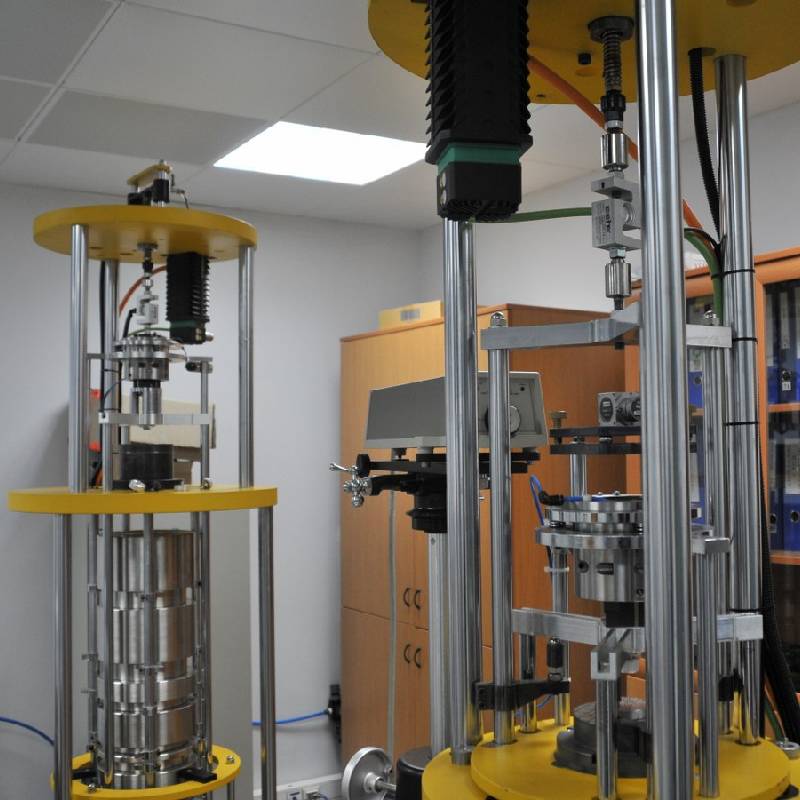
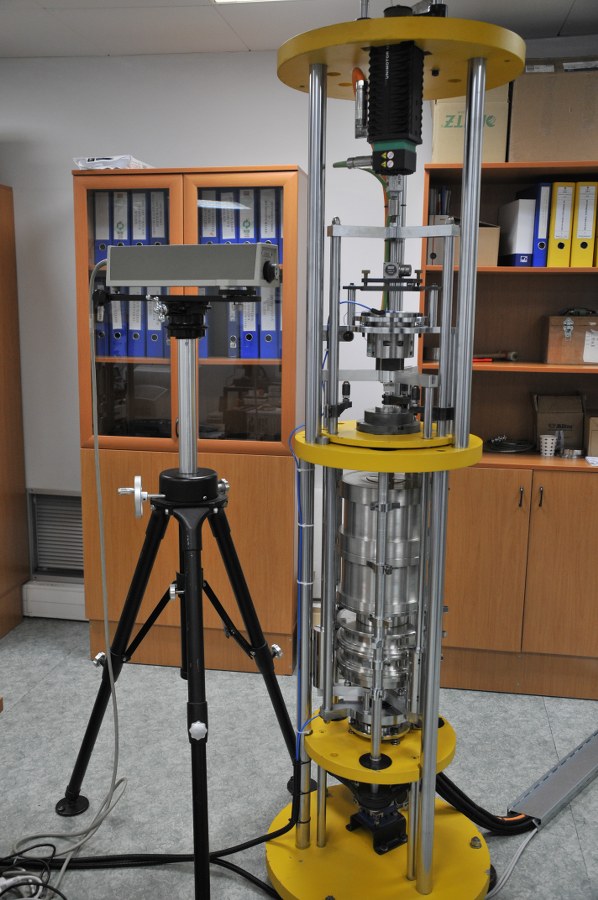
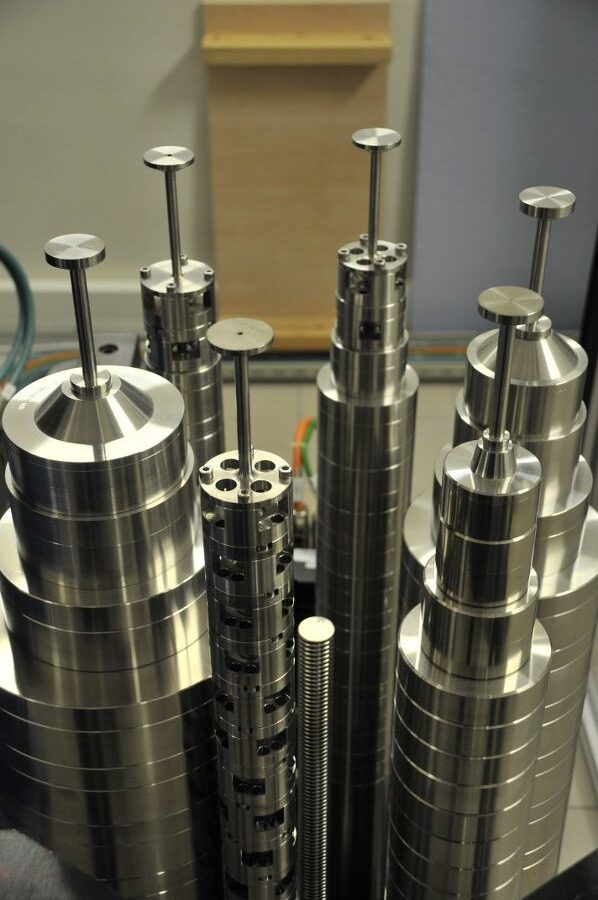
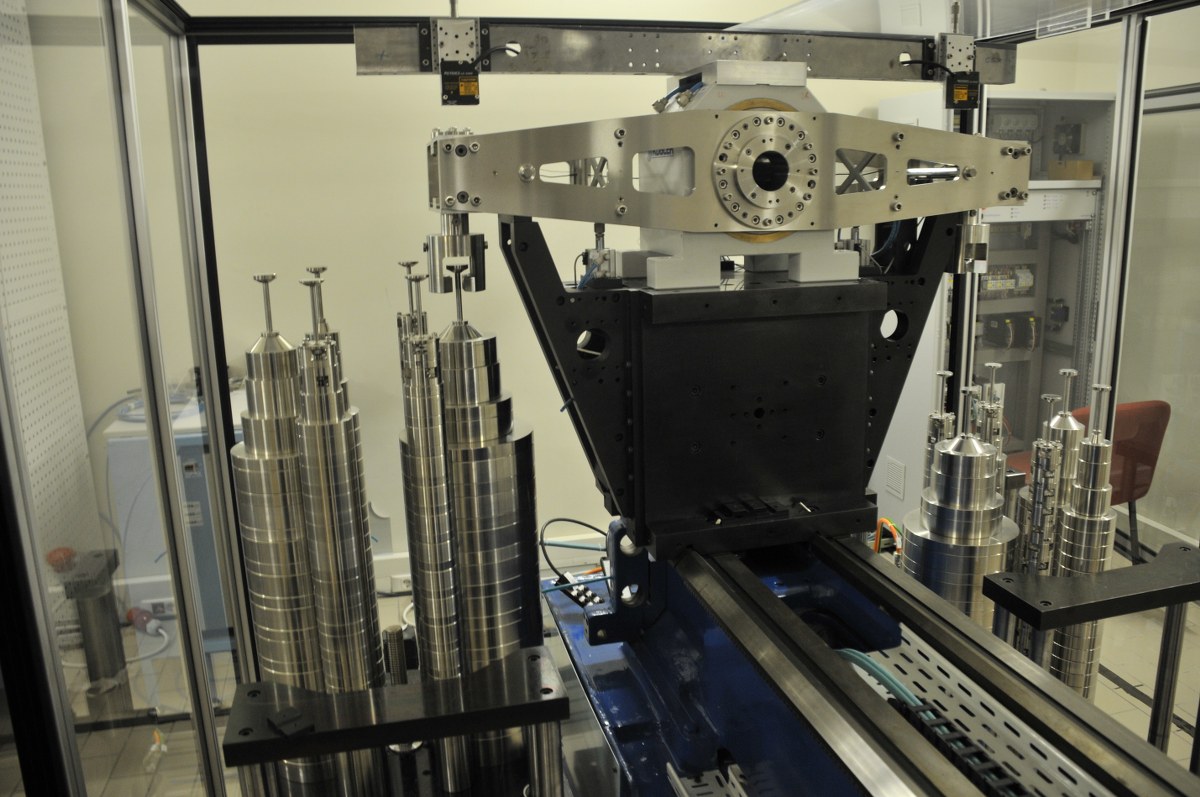
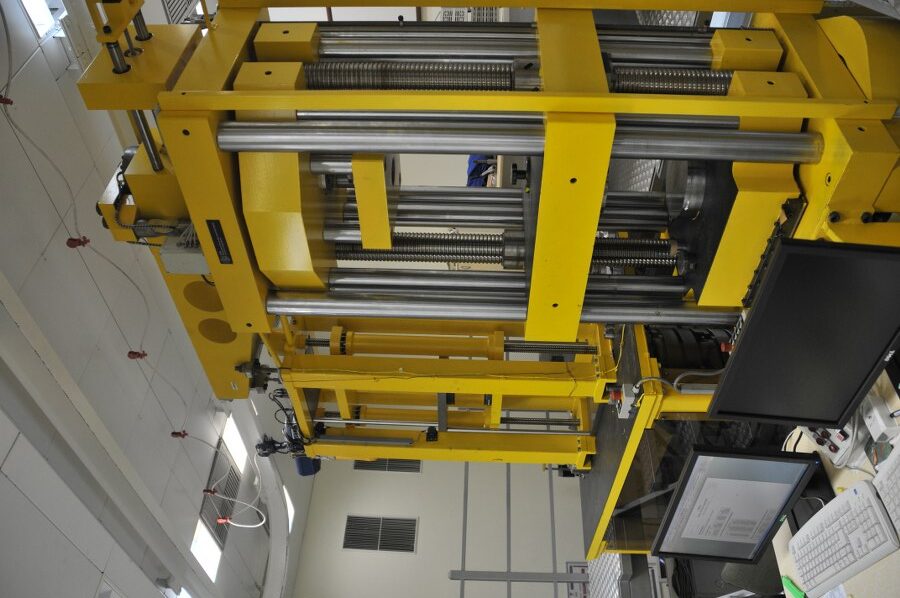
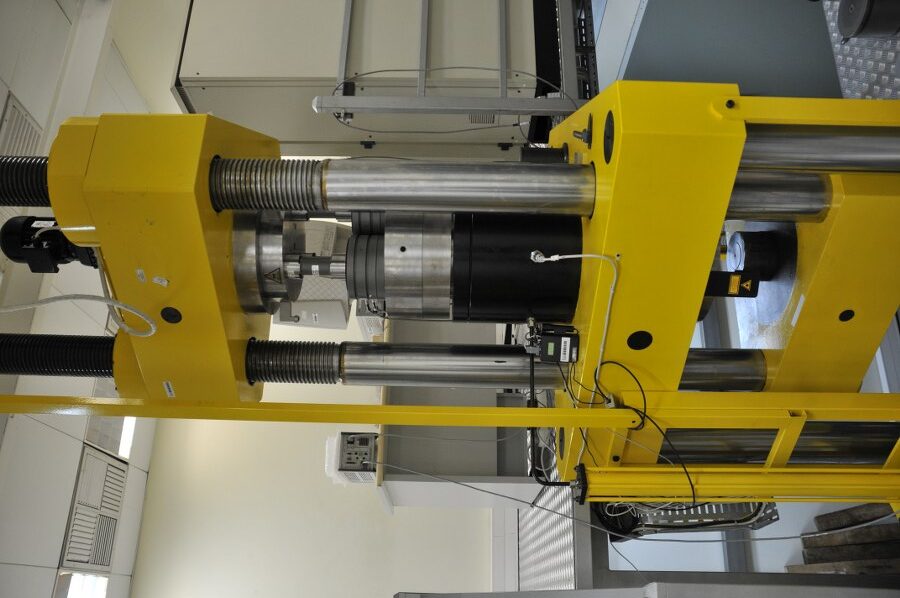
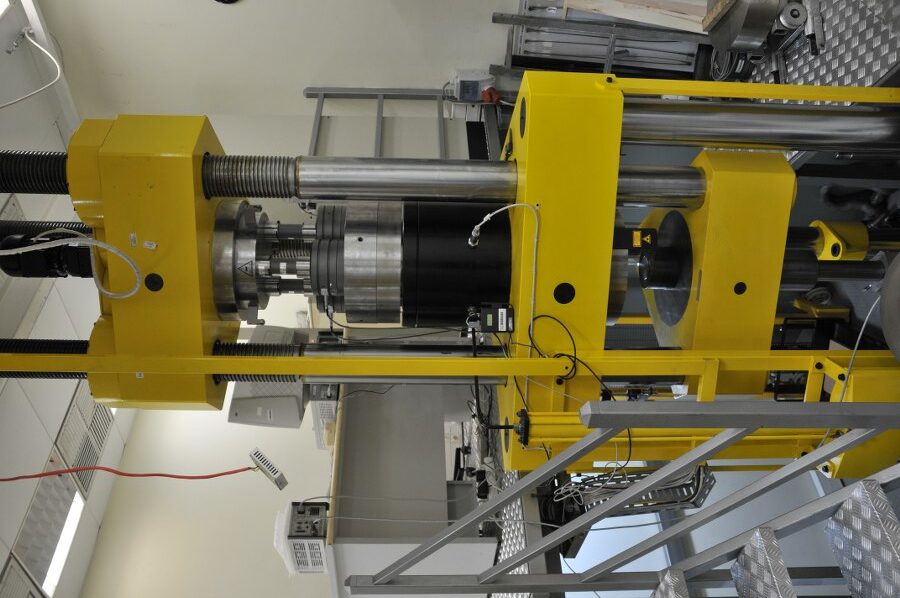
The Force Laboratory establishes reference standard forces based on the principle of static force measurement, using Newton's 2nd law and applying necessary environmental corrections (local gravitational acceleration, buoyancy of air). These measurements are made with the help of calibrated dead weights and the national force scale is established in accordance with the definition of the SI unit Newton (N).
Force measurement devices consist of an element that undergoes elastic deformation when a load or force is applied and indication systems that read this deformation mechanically or electrically. In the laboratory, calibrations of devices such as load rings, dynamometers, load cells and force transducers are performed with the highest accuracy.
TÜBİTAK UME Force Laboratory ensures the establishment of national force standards and their safe transfer from the top link of the traceability chain to all users. Thus, reliable and internationally traceable force measurements become possible throughout the country.
Hardness Laboratory
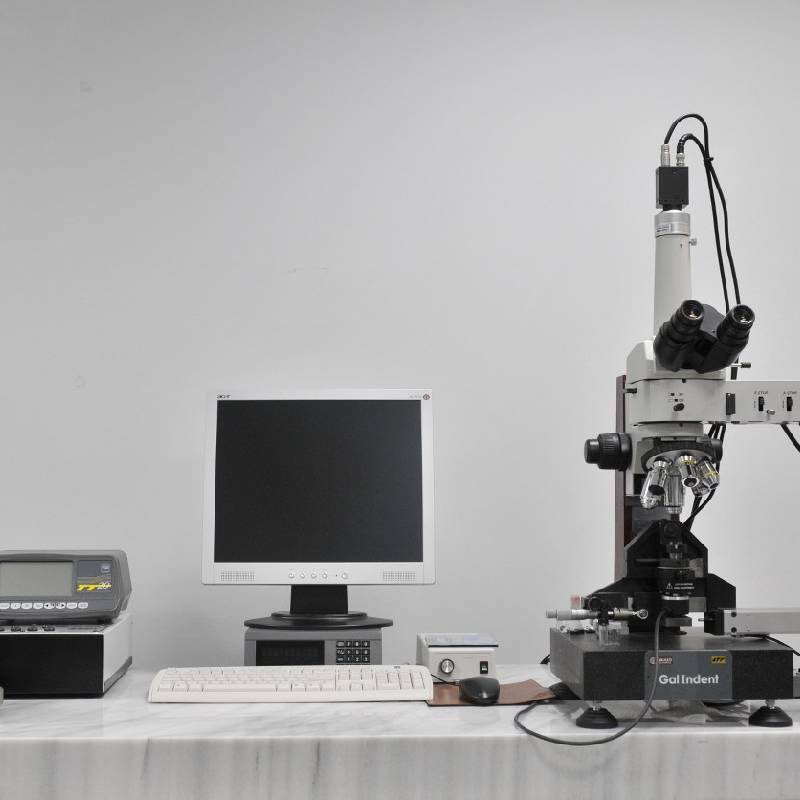
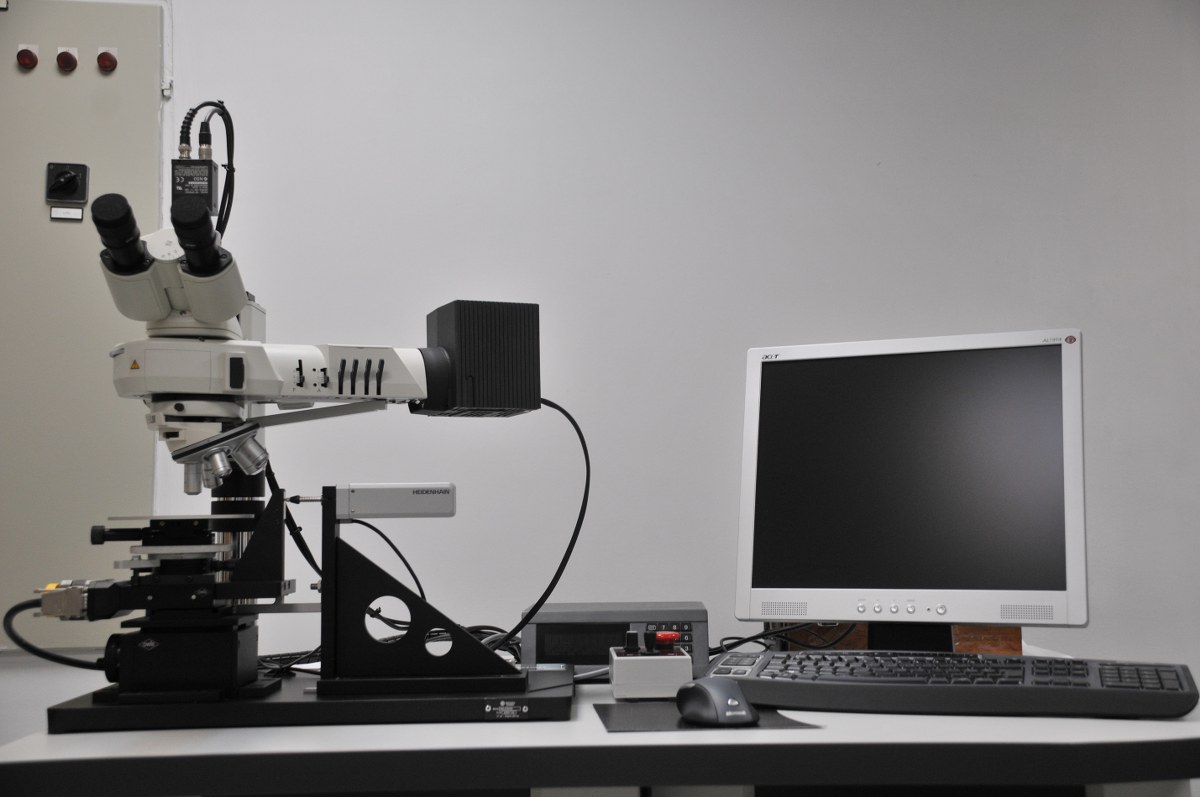
The Hardness Laboratory establishes the national hardness scale and ensures its reliable transfer to industry and all users who need it. In the laboratory, calibrations of hardness reference blocks in Rockwell, Brinell and Vickers scales are performed using primary hardness standard machines with the highest accuracy.
Hardness is the resistance of a material to deformation under static or dynamic loading conditions. During measurement, the material is deformed under standard conditions and the magnitude of the deformation is measured; the smaller the deformation, the harder the material is considered.
The most common hardness measurement methods are Rockwell, Brinell and Vickers for metal materials, and Shore and Irhd methods for plastic and rubber materials. While most of these methods are applied under static force, dynamic hardness measurement methods examine the behavior of the material against sudden impacts on the surface.
Torque Laboratory
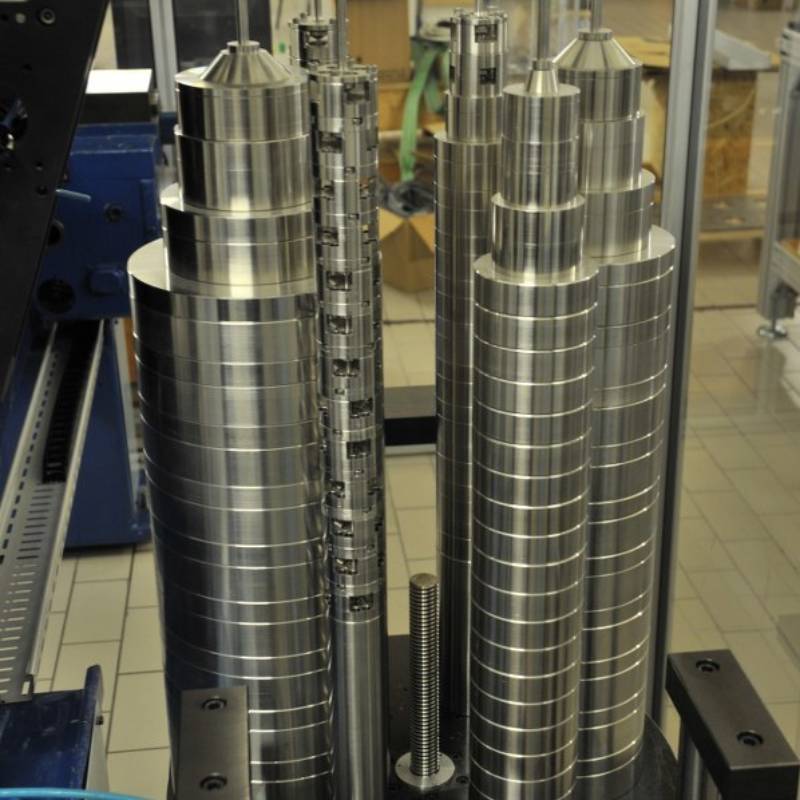
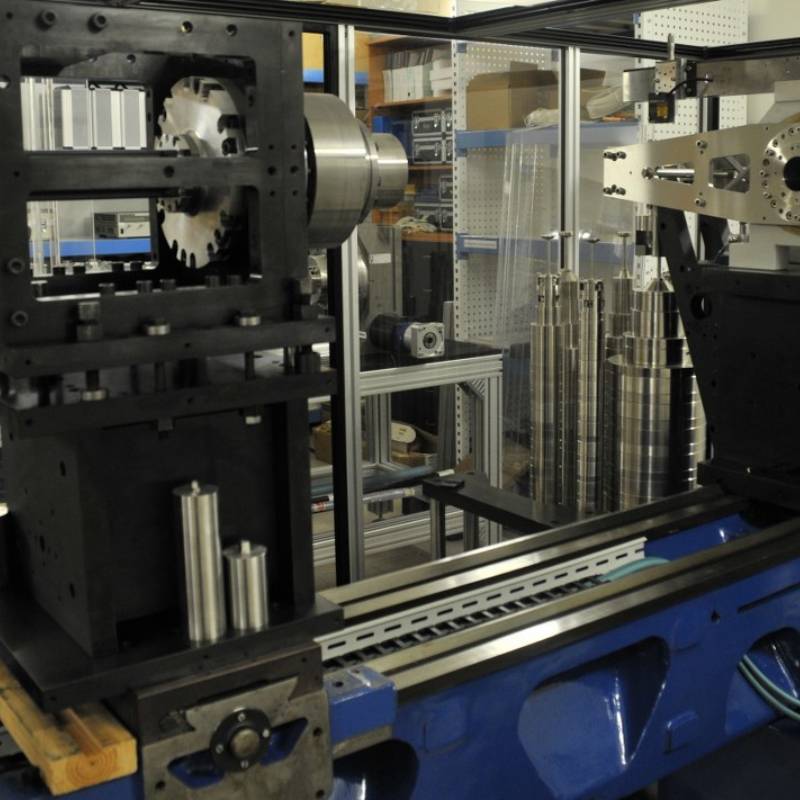
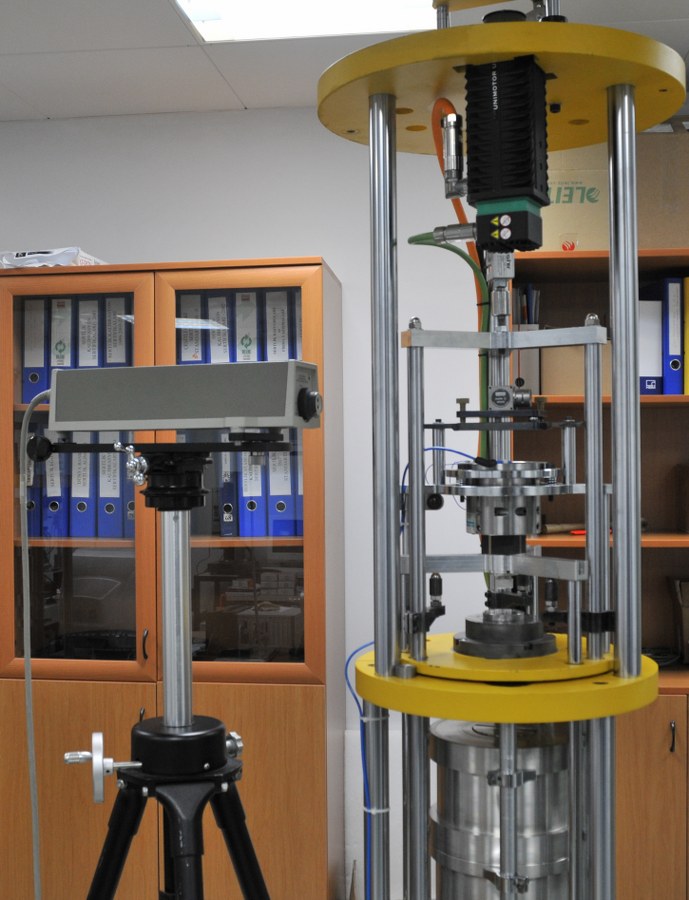
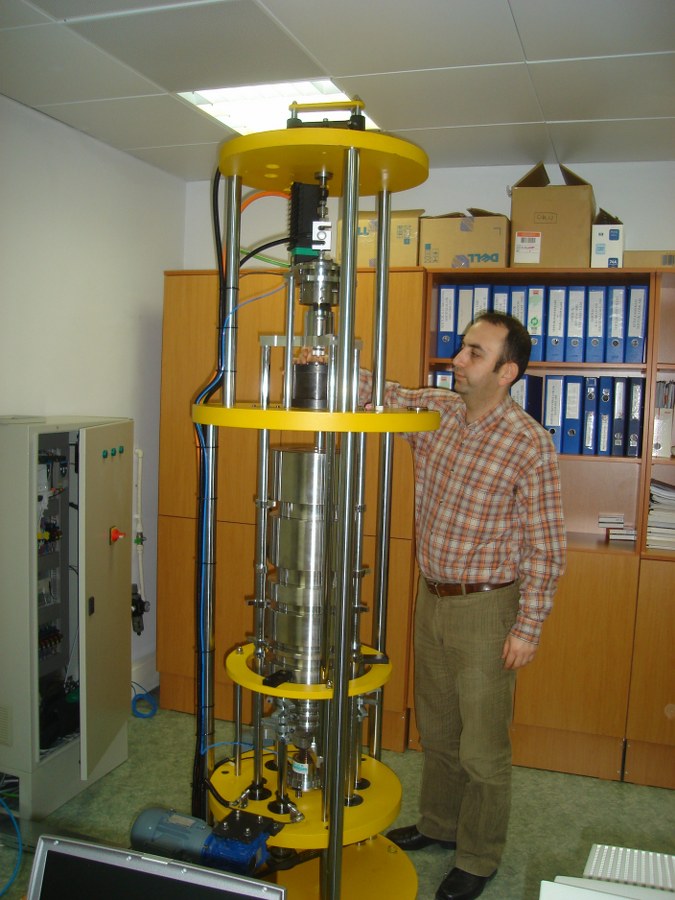
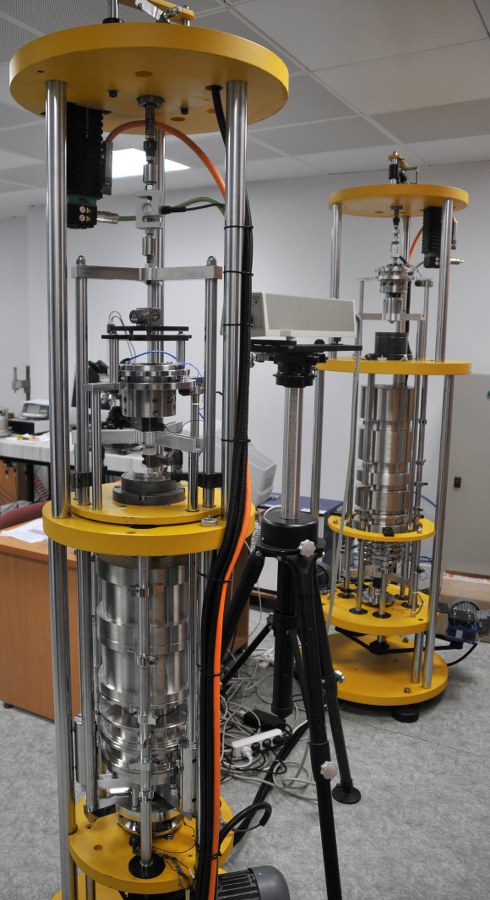
The Torque Laboratory ensures the realization of the Newton meter (N∙m), the derived torque unit in the SI unit system, and the creation of the national torque scale. It also ensures the safe transfer of these measurement standards to industry.
Torque is often used to measure mechanical power; the force required to operate a machine or the power produced by a machine is expressed as torque. Torque measurements are also used for stress and deformation analysis. In industry, measuring devices such as torque dynamometers, torque transducers and torque wrenches are used to determine the torque acting on motors, pumps, compressors, shafts, bolts and similar mechanical components.
TÜBİTAK UME Torque Laboratory ensures reliable and traceable torque measurements throughout the country by performing calibrations of torque measuring devices with high accuracy.
Services Provided
Calibration / Testing Services
Training Services
Device Manufacturing Services
Consulting Services
Technical Hardware and Equipment
Force Laboratory
| Device Name | Measurement Range | Measurement Uncertainty |
|---|---|---|
| 200 N Dead weight KSM | 0.5 N - 200 N | 2 x 10-⁵ |
| 600 N Dead weight KSM | 20 N - 600 N | 2 x 10-⁵ |
| 11 kN Dead weight KSM | 100 N - 11 kN | 2 x 10-⁵ |
| 110 kN Dead weight KSM | 2 kN - 110 kN | 1 x 10-⁴ |
| 1MN Deadweight KSM with lever magnification | 20 kN - 1100 kN | 1 x 10-⁴ |
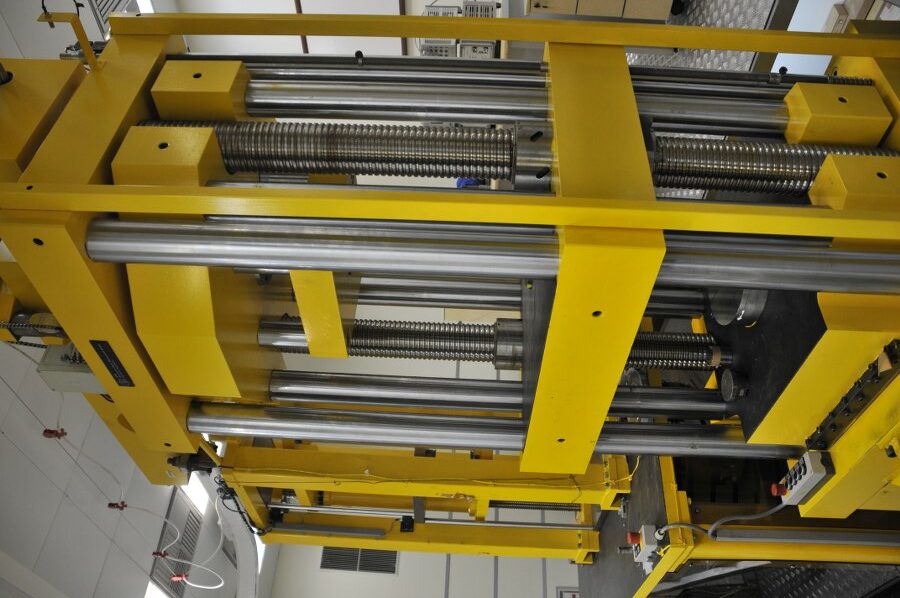
| 3 MN Hydraulic KSM with reference force transducer | 50 kN -3 MN | 4 x 10-⁴ |
Hardness Laboratory
| Device Name | Scales | Instrument Name Scales Measurement Uncertainty |
|---|---|---|
| Rockwell Hardness Standard Machine |
HRA - HRK HR15N, HR30N, HR45N HR15N, HR30N, HR45N |
0.3 HRA, 0.4 HRBW, 0.3 HRC 0.5 HR15N, 0.5 HR30N, 0.5 HR45N 0.6 HR15TW, 0.6 HR30TW, 0.6 HR45TW |
| Brinell-Vickers Hardness Standard Machine |
HV5 - HV100 HBW1/5 HBW1/10 HBW2.5/15.625 HBW5/25 HBW1/30 HBW2.5/31.25 HBW2.5/62.5 HBW5/62.5 HBW10/100 HBW5/125 HBW2.5/187.5 HBW10/250 HBW5/250 HBW10/500 HBW5/750 HBW10/1000 HBW10/1500 HBW10/3000 | % 1 |
| Micro-vickers Hardness Calibration Machine | HV 0.05 - HV 2 | % 1 |
| Track Measuring System | 0.02 mm - 10 mm | 0.2 mm |
| Rockwell and Vickers Hardness Tip Calibration System |
120º and 136º angle 0.2 mm radius |
Angle: 0.05º Radius 1 mm |
Torque Laboratory
| Device Name | Measurement Range | Measurement Uncertainty |
|---|---|---|
| 1 kN m Dead weighted TSM | 1 N m - 1000 N m | 1 x 10-⁴ |
| 50 N m Dead weight TSM | 0.2 N m - 50 N m | 1 x 10-⁴ |
| 1 kN m TCM with Reference Transducer | 2 N m - 1000 N m | 2 x 10-⁴ |
| 50 N m TCM with Reference Transducer | 0.2 N m - 50 N m | 2 x 10-⁴ |
Environment Conditions
| Laboratory | Temperature (°C) | Humidity (%rh) |
|---|---|---|
| Force Laboratory | 21±1 | 45±10 |
| Hardness Laboratory | 21±1 | 45±10 |
| Torque Laboratory | 21±1 | 45±15 |
For more informationContact Us
Email: ume@tubitak.gov.tr
Phone: 0 (262) 679 5000