
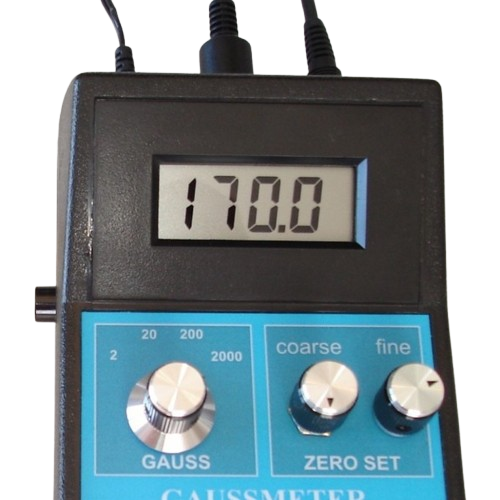
In the magnetics laboratory, calibration of magnetic field measuring devices (Gauss/Teslameter, magnetometer, fluxmeter, etc.) and characterization of magnetic materials are aimed to be carried out. At the same time, it is also among its duties to establish national standards in these areas and transfer them to secondary level laboratories.
In addition to calibration and experiment/testing activities, R&D activities are carried out in the laboratory for industrial, medical and military applications for the needs of the country. In addition, by participating in international projects together with metrology institutes of other countries, studies on current issues are closely followed.
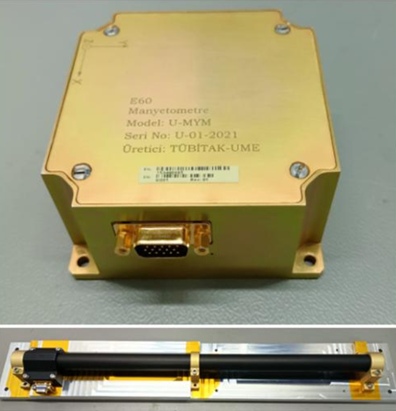
Among the important studies carried out in our laboratory in recent years is the development of a high-precision fluxgate magnetometer. This magnetometer has a wide range of applications. It was first used during World War II to detect submarines and sea mines, and today it is an essential device for low-altitude satellites. The fluxgate magnetometer, which was developed by TUBITAK-UME and passed all the tests, and our torque rods connected to this device took their place on the İMECE satellite launched in 2023. We continue to work on the construction of magnetometers and torque rods for the satellite projects to be launched in the coming years. We also have projects for different applications of the fluxgate magnetometer.
Another recent and important work carried out in the laboratory is the "Development of a low-field and low-cost portable MR imaging device" project supported by EURAMET, in which many metrology institutes are participating. Unlike commercial high magnetic field MR devices, the magnetic field in the MR device to be produced in this project is generated by NdFeB magnets. Approximately 2500 NdFeB magnets are arranged with a special technique to create a homogeneous magnetic field of 50 mT. This device is considered as a practical solution for regions that do not have the opportunity to purchase a commercial MR Device. Since there is no need for liquid helium, maintenance and operating costs are also very low. It is also on the agenda for use in emergency and intensive care units of hospitals in cases where the patient cannot be transported. When the project is completed, it will be put into use at I.U. Cerrahpaşa Faculty of Medicine.
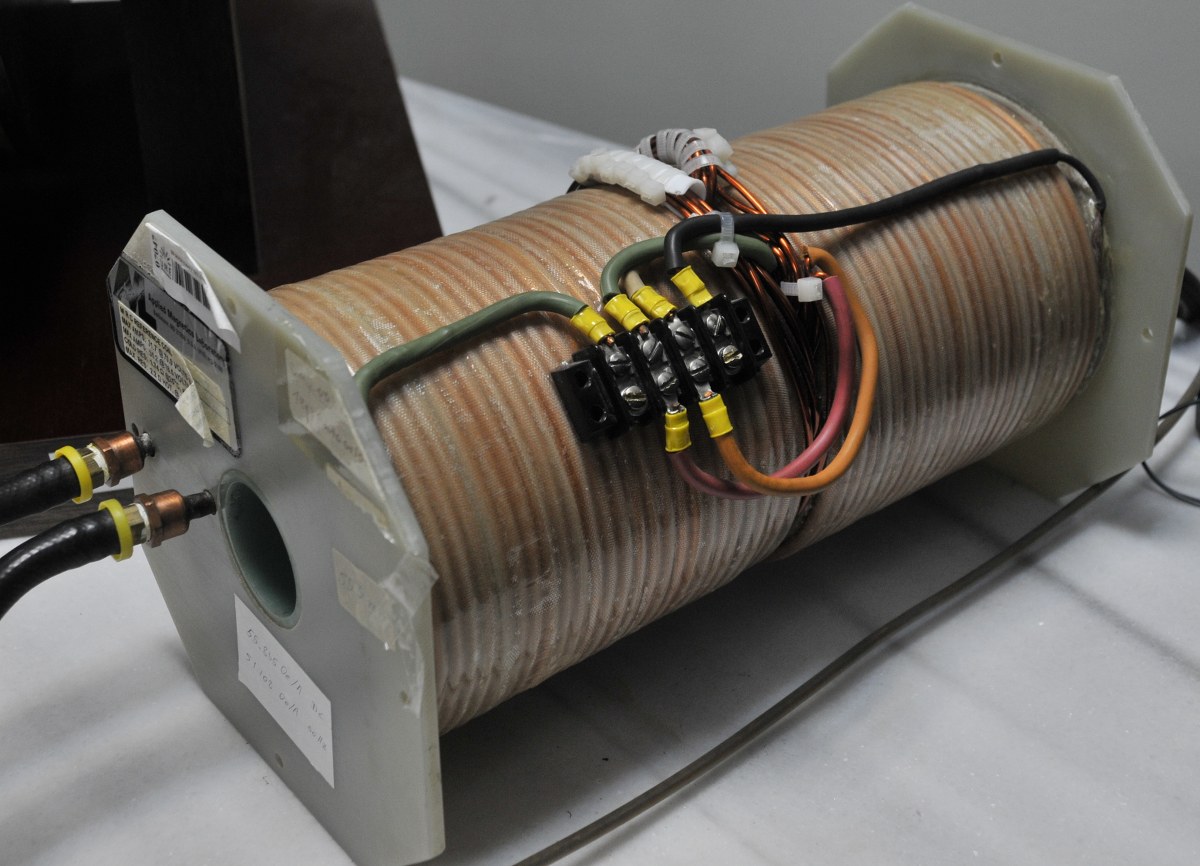
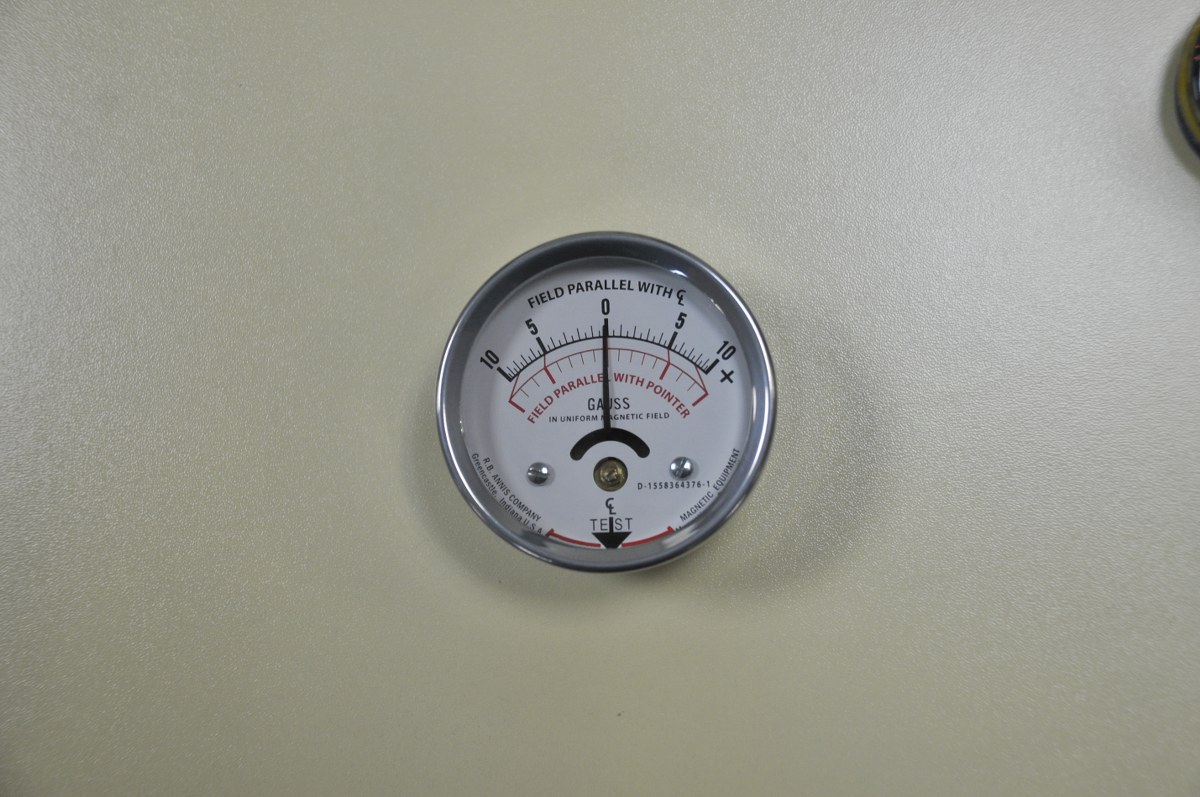
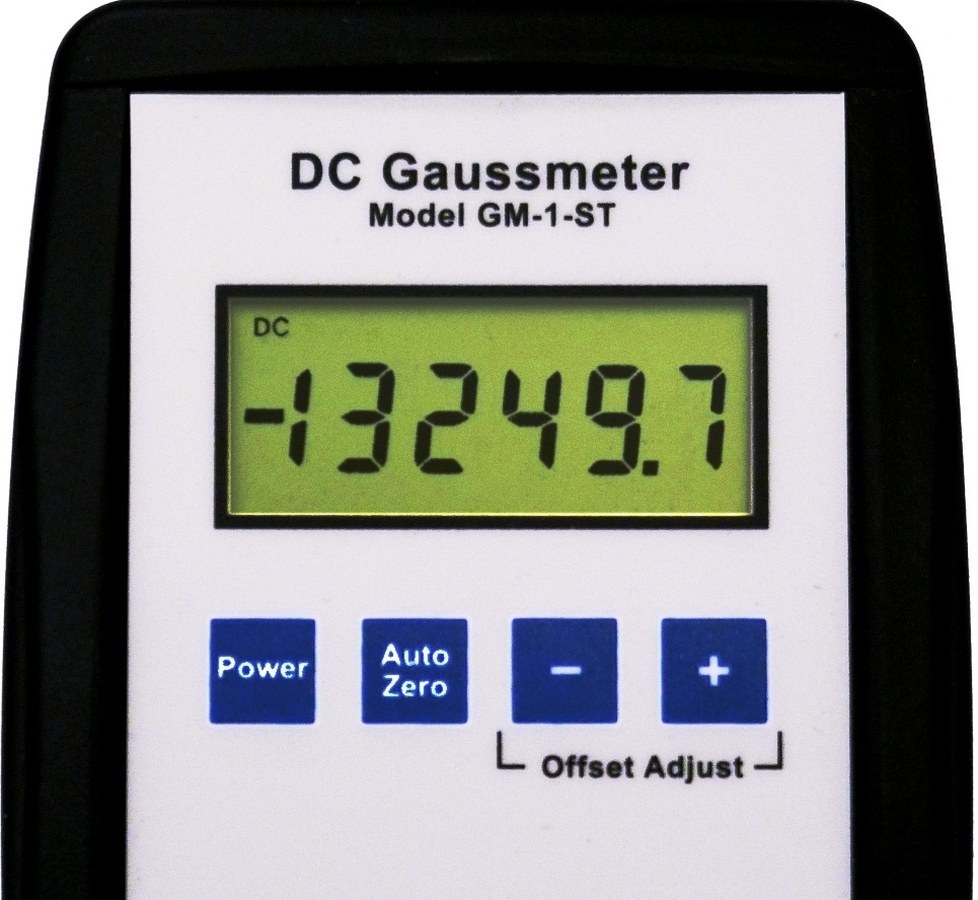
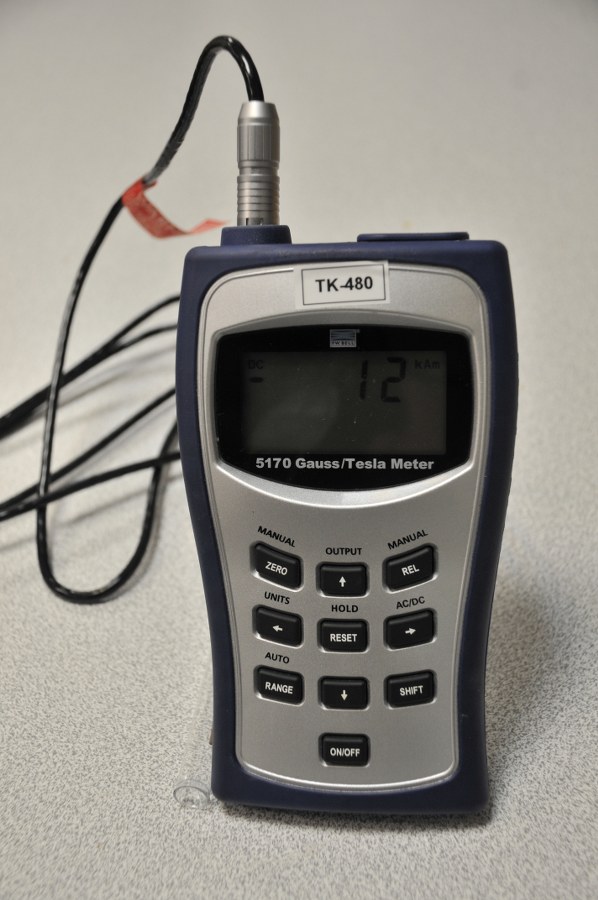
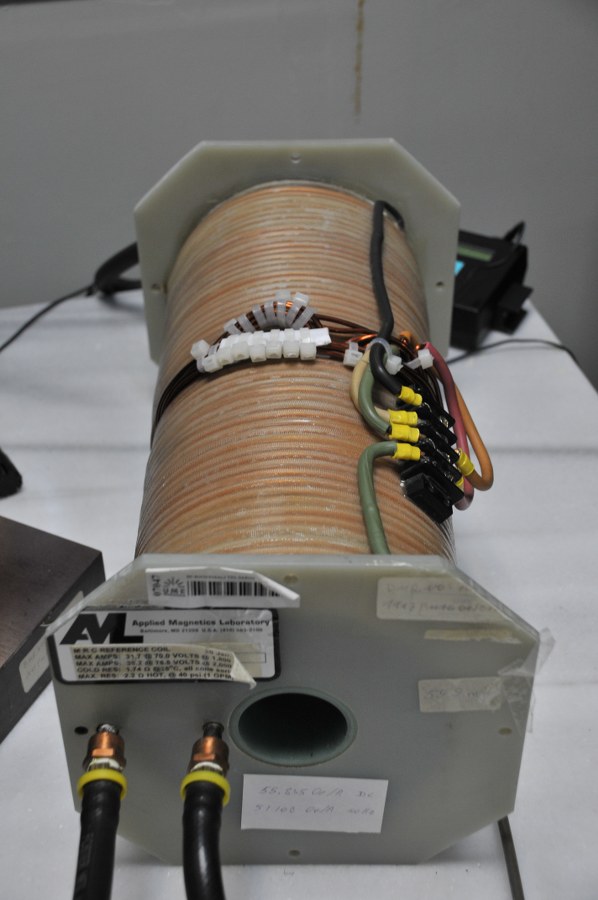
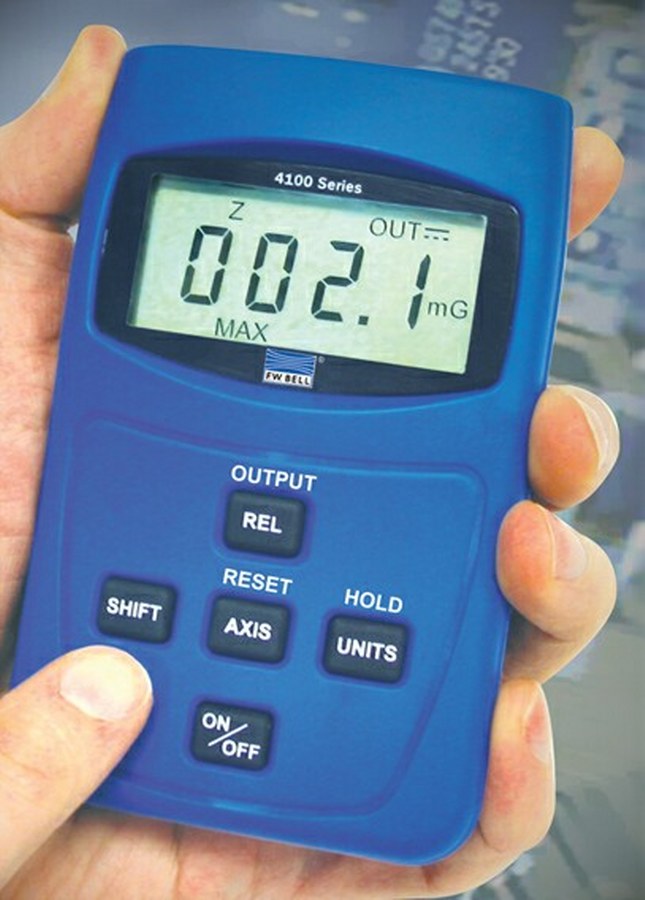
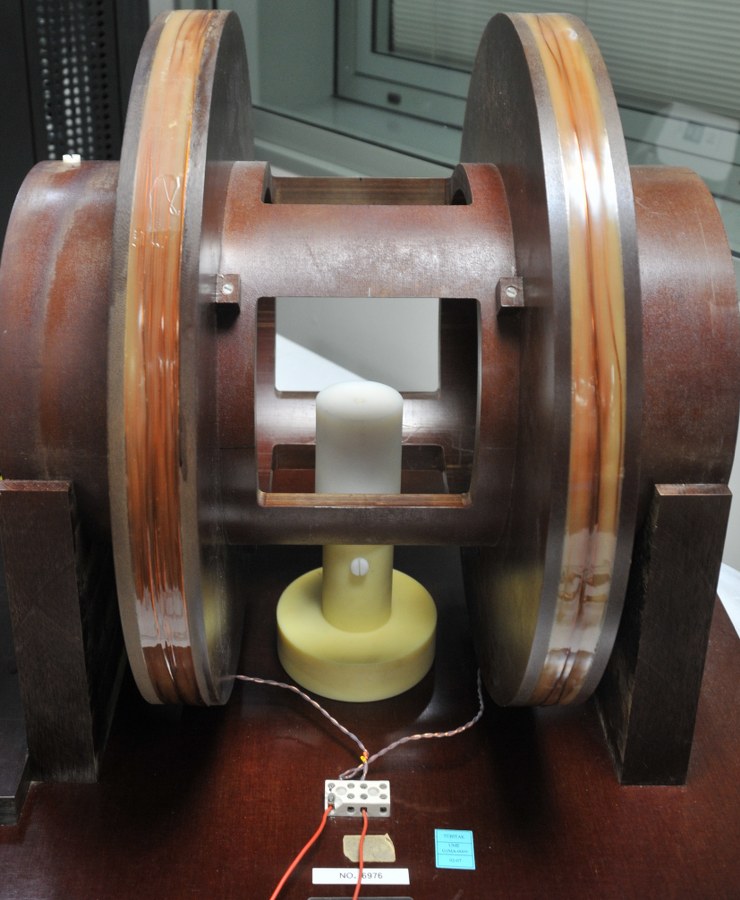
Used in magnetic field meter calibration in our laboratory,
There are sources of magnetic fields.
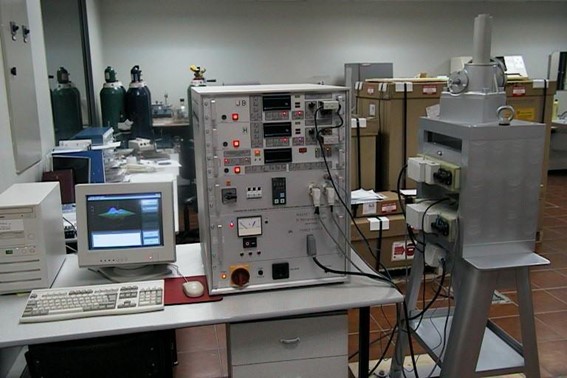
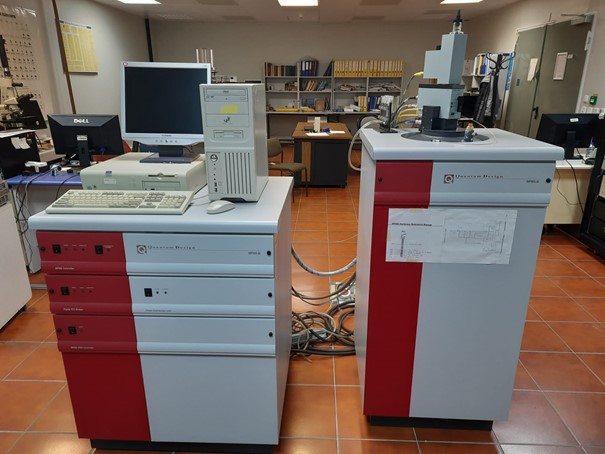
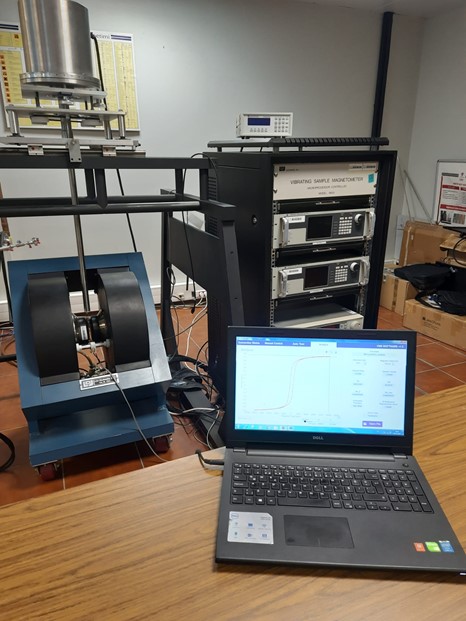
As well as for the characterization of magnetic materials;
There are three different measurement systems.
The sample vibrating magnetometer is used to characterize magnetic materials in powder form. Up to 2.2 T magnetic field source is available. Measurement can be taken at room temperature. Magnetization measurement 1000 - 10-5 can be made between emu.
The SQUID magnetometer is the latest and most sensitive measurement system available today for magnetization measurements. Used to characterize materials with very low magnetization. Measurement range 1.25 - 10-8 emu and is 1000 times more sensitive than a sample vibrating magnetometer. It is possible to generate a magnetic field up to 5 T and it is possible to measure from room temperature up to 2.2 K.
The Permeagraph device is more suitable for industrial use. It is an ideal device for characterizing permanent magnets with a certain geometry that we use in daily life. It can generate up to 2.2 T magnetic field.
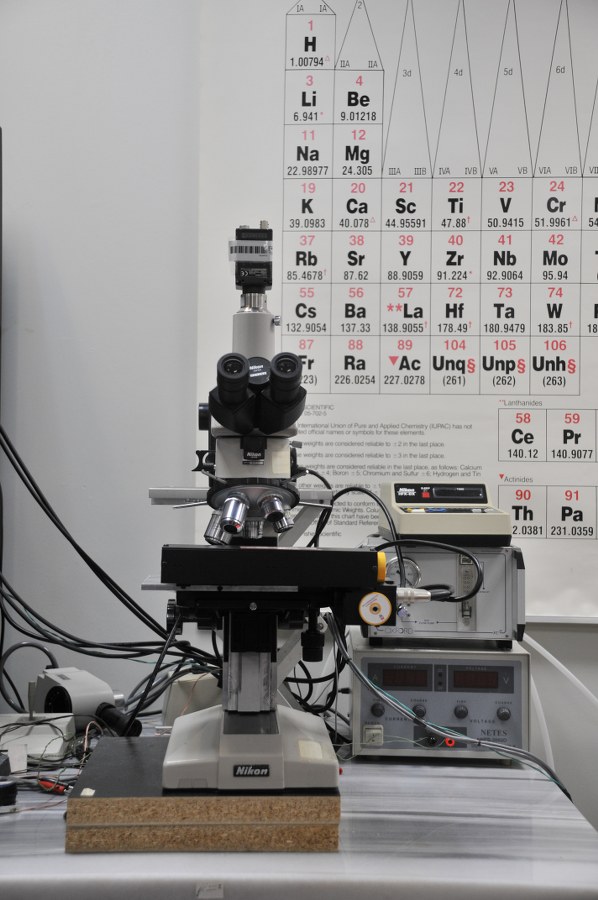
Our laboratory has a magneto-optical system to view magnetic regions on magnetic strip cards (magnetic thick films) and to measure magnetization locally. With this system, it is possible to measure an area of 1 mm in diameter and extract the magnetic map of the material.
Email: ume@tubitak.gov.tr
Phone: 0 (262) 679 5000